Aromatherapy Massage
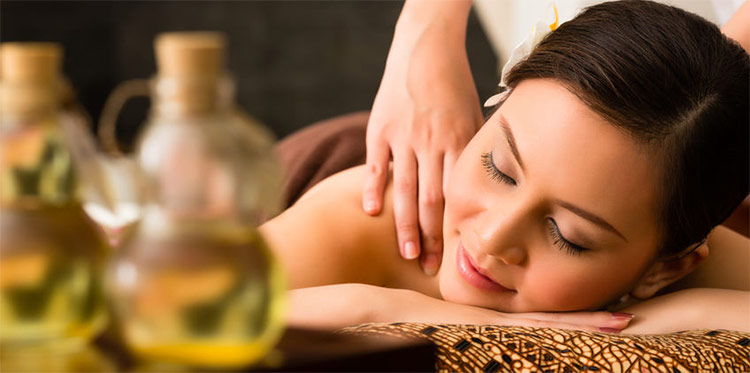
Aromatherapy massage is a beautiful way to express caring and help relieve the stress of a loved one. The benefits of aromatherapy massage can also be enjoyed through self massage.
On its own, the benefits of massage are many...
- Massage helps improve circulation to the massaged area, and it helps to stimulate muscles.
- In turn, this can help improve flexibility and mobility.
- Massage can dramatically reduce stress and ease tension.
- Massage can help reduce headaches/migraines, cramps and spasms.
- Massage is also said to improve the immune system by stimulating the lymphatic system and the release of toxins.
But when combined with aromatherapy, massage takes on a remarkable synergy that dramatically enhances the massage session...
- Essential oils are comprised of the naturally occurring chemical constituents found in the botanical that they are distilled from. The classification of esters, for example, found in Lavender and Roman Chamomile essential oils are both naturally sedating/relaxing and anti-inflammatory. Sidenote: Essential oils are not oily feeling, are highly aromatic and are much different than vegetable (carrier) oils. If you are not familiar with essential oils, read these articles: What Are Essential Oils? and What are Carrier Oils?
- Combining well chosen essential oils (such as the example of Lavender or Roman Chamomile given above) with a carrier oil can promote relaxation, reduce stress and/or help to improve circulation and reduce swelling and pain.
- Some essential oils act as aphrodisiacs and can help set the mood for more intimate massage sessions.
- Some massage oils contain synthetic mineral oil that can potentially impair the skin's ability to breath. Instead, select a natural vegetable oil as the massage oil base and as the "carrier oil" for essential oils. Natural vegetable oils can help to lubricate, moisturize and nourish the skin with essential fatty acids and other important fatty acids, anti-oxidants and other important nutritives (while fatty acids must be limited in the diet, they are important and nourishing for the skin).
Aromatherapy Massage Oil Recipe
This basic aromatherapy massage oil recipe acts as a wonderful lubricant for massage while also diluting the concentrated essential oils for safe application to the skin. The carrier oil also helps to nourish and moisturize the skin.
- 1 ounce carrier oil such as Jojoba
- 10-12 drops essential oils. Examples:
- Stress Blend: 6 drops Clary Sage/2 drops Sweet Orange/3 drops Lavender
- Aphrodisiac Blend: 8 drops Sandalwood/2 drops Jasmine Absolute
- Sleep Inducing and/or Anti-Inflammatory: 5 drops Roman Chamomile/5 drops Lavender
- Sore Muscles Blend: 2 drops Ginger, 1 drops Black Pepper, 4 drops Peppermint, 5 drops Eucalyptus.
Select oils that are not contraindicated or unsafe to use by the giver or recipient of the massage.
Directions: Mix the essential oils with the carrier oil well and store in an airtight, dark glass container.
To Use: Apply only a small amount (1/2-1 teaspoon) for each massage.
For more information on massage, explore the book The Complete Illustrated Guide to Massage by Stewart Mitchell.
Important Precautions
Qualified massage therapists generally receive hundreds of hours of training before working on the public. Naturally it goes beyond this brief article to provide even a true glimpse at the scope of professional massage therapy and proper massage technique. There is so much to know!
But we all can share in gentle massage between loved ones by following the below guidelines:
- Do not massage anyone with special medical or health issues. Those with special medical issues should only receive massage from a qualified massage therapist.
- Never massage undiluted essential oils, absolutes or CO2s into the skin. Instead, make a diluted blend following the information outlined in AromaWeb's Guide to Diluting Essential Oils article. The recipe shown above can also be used as as a basis.
- Do not ever use hard or painful pressure. Hard pressure can feel good, but gentle movements are the safest and most effective in the long term.
- Don't ever directly massage on bones, and never massage areas that have been fractured.
- Don't massage the abdominal area of anyone with stomach problems or who is pregnant.
- Don't massage areas that are infected or injured.
- Do not ever try to "crack" anyone's back. Leave this to a qualified professional.
- Do not massage anyone that has or who may have blood clots.
A Word of Caution About Massage Therapists And Aromatherapy
A large percentage of massage therapists still have minimal, if any, training or understanding about holistic aromatherapy. When a massage therapist claims to have aromatherapy knowledge or to use "aromatherapy oils" or "aromatherapy products," ask some serious questions to ensure the massage therapist isn't just all talk.
Quality massage oils and related lubricating products used during massage should be based on a quality blend of nutritive cold pressed vegetable oils and fragranced only with essential oils. Some pleasant smelling "relaxing" or "stress relieving" massage oils include fragrance oils and do not offer the full range of therapeutic benefits that massage oils made with pure essential oils offer. Essential oils like lavender not only can relax the mind, but lavender essential oil can also sooth the skin. German Chamomile and Helichrysum are both strongly anti-inflammatory. Ginger and other spice oils, when used cautiously in blends can help increase circulation and are good for muscle stiffness. Fragrance oils, on the other hand, are synthetic. Although they have a pleasant aroma, they offer no therapeutic benefit and can go as far as to irritate the skin and cause headaches in some individuals.
Tips on What to Ask a Therapist to Determine His/Her Aromatherapy Knowledge and Quality of His/Her Products:
- Ask the therapist to define aromatherapy and to explain to you what cold pressed vegetable oils and essential oils are.
- Another way to tell a therapist's knowledge is to ask the therapist for his/her thoughts on the use of candles during sessions and what constitutes a candle suitable for use in aromatherapy. Read AromaWeb's Aromatherapy Candles article for enlightening information.
- Ask for details about the massage oil product(s) the therapist uses and ask to read the ingredient label. Even if a therapist is not interested in promoting aromatherapy as a part of his/her practice, a good therapist should understand the distinction of the different vegetable oils and other lipids used in massage.
- If you live in a less populated area or when you stay at a hotel/resort and want a massage, your choices in therapists might be limited. If avoiding synthetic fragrance oils is important to you but you do not have much choice in the therapist working on you, you can try to request an unscented, cold pressed vegetable oil as the oil used during your session.