Guide to Essential Oil Diffusers
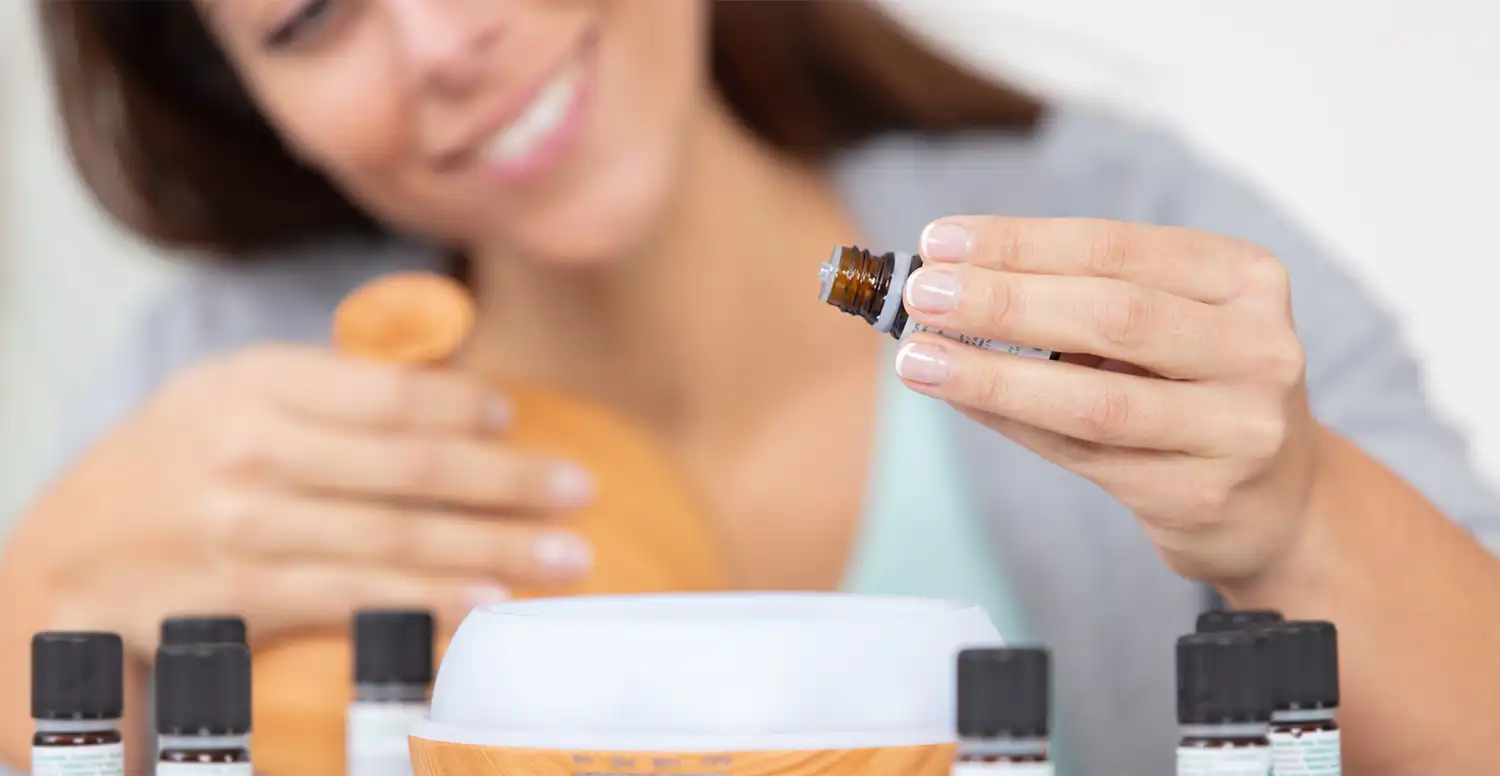
The process of diffusing essential oils is one of the easiest and most popular ways to harness the therapeutic and aromatic benefits they offer.
Essential oil diffusion involves utilizing a diffuser to disperse essential oils into a room or area, allowing the aroma and therapeutic benefits of the oils to be inhaled.
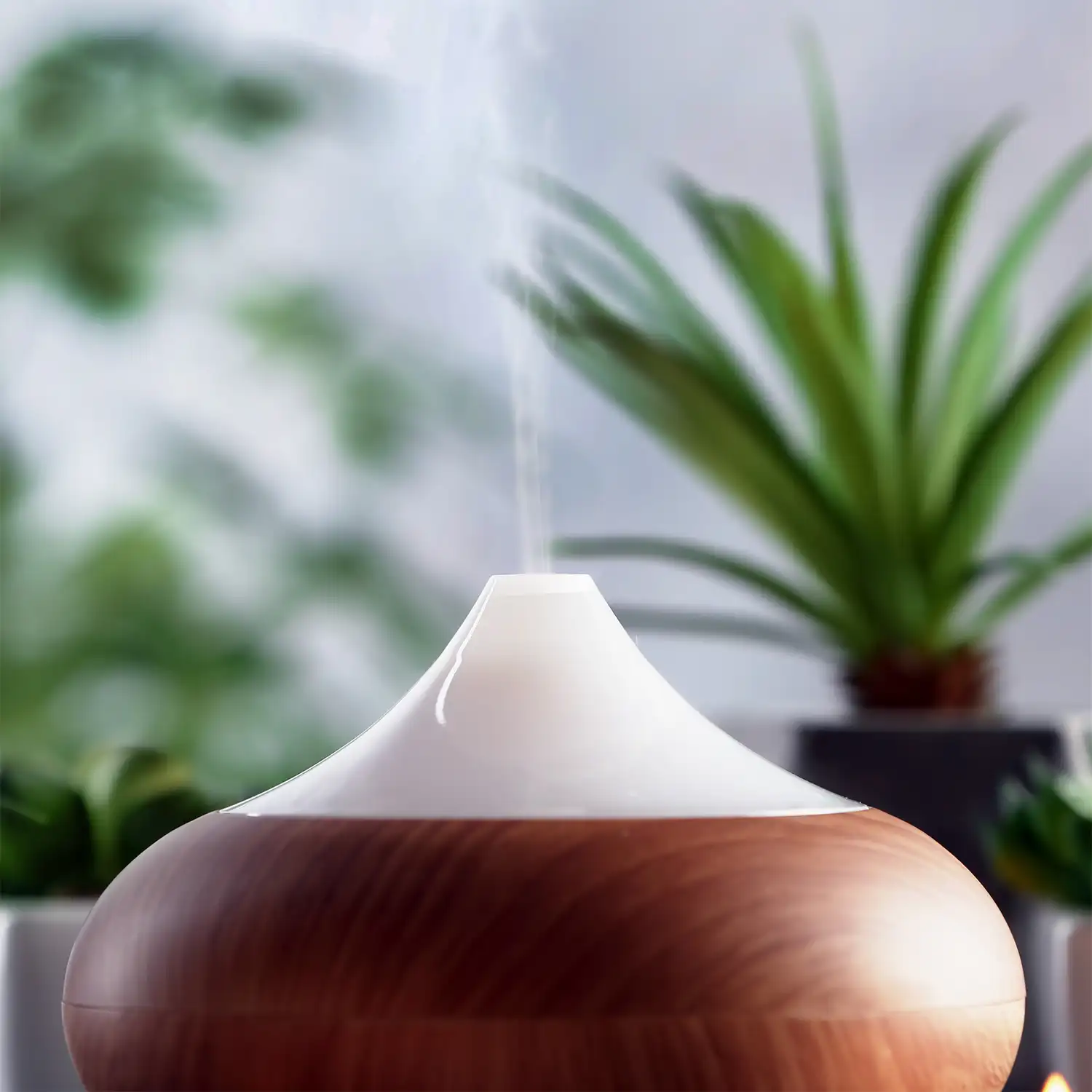
From the simple to the elaborate, various methods exist for diffusing essential oils into a room.
Numerous aromatherapy diffusers and devices are available for purchase, each offering unique features and benefits. This article will explore the different types of devices and methods available.
Additionally, this guide will cover three easy aromatherapy diffusion methods that can be done using common household items, detailed later on.
Prioritize safety. Review these Essential Oil Diffuser Safety Tips before starting your diffusing session.
After selecting your diffuser, explore AromaWeb's Essential Oil Diffuser Blends for a delightful selection of 17 easy-to-make blends for your diffuser.
Key Benefits of Using an Essential Oil Diffuser
Essential oil diffusion provides a diverse range of impressive benefits. Ensurin safe usage of your diffuser and selecting suitable essential oils for your intended purpose are crucial.
- Respiratory Issues
- Digestive Issues
- Emotional Well-Being
- Supporting Spiritual Wellness
- Minimizing Microbes in the Air
- Improve the General Aroma of the Room or Space
Aromatherapy Diffusers and Diffusion Products Available
The following descriptions provide general information about various aromatherapy diffusers and other essential oil diffusion products on the market. Always review the specifications, requirements, and safety guidelines provided with the specific product you are considering to ensure it meets your needs and expectations.
To find vendors offering aromatherapy diffusers, explore the Aromatherapy Diffusers category in AromaWeb's Aromatherapy Business Directory.
Ultrasonic Essential Oil Diffusers
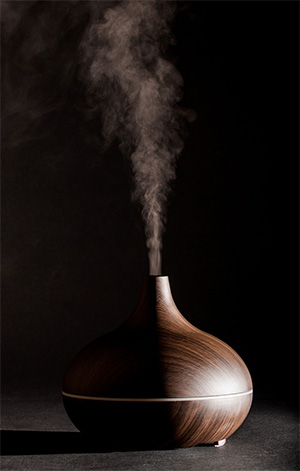
Ultrasonic diffusers use water and ultrasonic waves to diffuse essential oils into the room. They come in different sizes, and some feature colored lights or other features.
Ultrasonic Essential Oil Diffuser Benefits:
Various types of ultrasonic aromatherapy diffusers are available, allowing consumers to choose from a wide range of sizes and options. Among aromatherapy diffusers that rely on a power source, ultrasonic diffusers are typically among the most budget-friendly. While diffusing essential oils into a given space, some can also help humidify the room.
Ultrasonic Diffuser Disadvantages:
Despite the advantages, ultrasonic diffusers may encounter more frequent issues or failures compared to other types of aromatherapy diffusers.In my experience, users tend to report more complaints about ultrasonic diffusers than for other aromatherapy diffuser types. It is important to adhere to the usage instructions for the specific ultrasonic diffuser model you purchase.
Essential Oil Atomizing Diffusers (Also Known as Nebulizers)
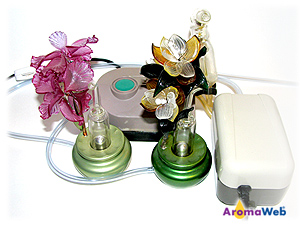
An atomizing diffuser, also known as a nebulizer, is a device designed to break down essential oils into individual aromatic molecules before dispersing them into the air. It's believed that these smaller molecules can be more easily absorbed by the lungs, potentially enhancing the therapeutic benefits compared to other diffusion methods.
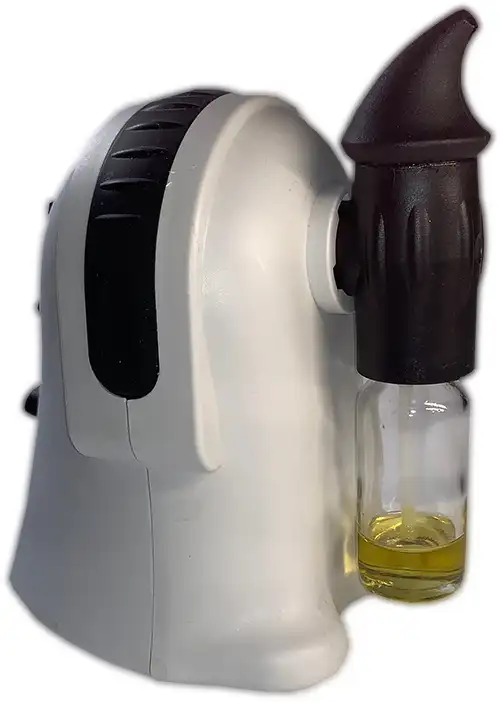
A traditional nebulizer is a small device that consists of two main parts: the plastic base that contains the motor/pump and a very unusual, clear blown-glass piece that holds and "nebulizes" the oils. Instead of the use of the unusual glass piece, some atomizing diffuser use a special bottle that looks like a Boston round bottle.
The size of the pump that accompanies the atomizing diffuser makes a big difference in the speed in which the essential oil is nebulized and in the amount of room/area coverage that the nebulizer can accommodate.
Essential Oil Nebulizer Benefits:
For therapeutic use, an atomizing diffuser/nebulizer should be considered. It is said that nebulizers can supply greater therapeutic benefit than the use of other aromatherapy diffusers because they break the oils down into smaller molecules.
Nebulizer Disadvantages:
Compared to other methods, cleaning the atomizing diffuser/nebulizer, especially after using thicker essential oils can be time consuming. Depending on the style of the diffuser, thick oils such as Sandalwood and Patchouli usually cannot be used (unless first well blended with much thinner oils) as they can clog certain model diffusers.
Nebulizing diffusers are typically not as beautiful or modern looking as ultrasonic diffusers.
Fan Style Essential Oil Diffusers
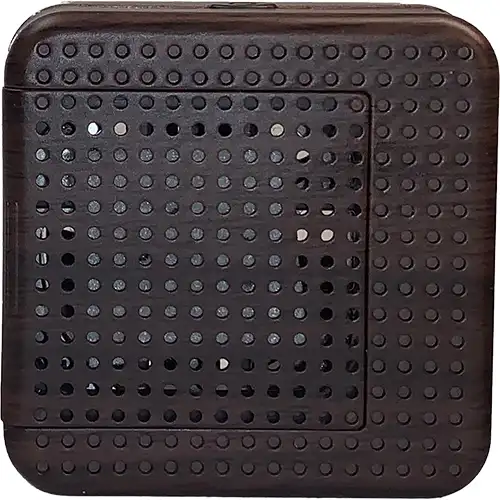
Fan diffusers come in a variety of sizes, shapes and styles. Some are battery operated and some need to be plugged into an outlet.
The fan blades within the diffuser gently circulates air across the essential oils, allowing them to evaporate into the air more actively than with passive aromatherapy diffusion. To use a fan diffuser, essential oils are usually placed onto a disposable absorbent pad or into a tray that contains a pad. The pad or tray is placed into the aromatherapy diffusion unit and then powered on. The fan then blows air across this pad or tray and carries the aroma throughout the room. Since fan diffusers come in a variety of sizes, some fan diffusers will only diffuse a small room whereas others can diffuse very large areas.
Fan Style Essential Oil Diffuser Benefits:
Fan style aromatherapy diffusers are available in a wide variety of brands and styles. Depending on the brand and model, fan diffusers can fragrance a large area. Fan diffusers are generally easy to use. Some fan diffusers are powered by both electricity and batteries, making them quite portable.
Fan Diffuser Disadvantages:
Some fan diffusers, depending on the brand and model, require the purchase of replacement absorbent pads. Some fan diffusers are noisy.
Electric Heat Aromatherapy Diffusers
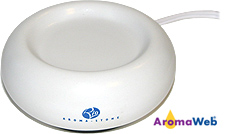
Heat diffusers use heat to gently heat the oil and disperse the aroma into a room.
Electric Heat Diffuser Benefits:
Electric heat diffusers may fragrance larger areas, depending on the brand and style. They can also help to more efficiently disperse the aromas of thicker oils such as Sandalwood and Patchouli. They can also be more quiet than nebulizing or fan style diffusers.
Electric Heat Diffuser Disadvantages:
Some individuals have trouble with clean up after using thicker essential oils. However, clean up can be much easier in this type of diffuser than in nebulizers and other aromatherapy diffusers. Usually, alcohol can help to dissolve stubborn, stuck-on essential oil residue.
The heat diffusers that I have seen do not have a reliable timer. This can lead to safety issues.
Candle Diffusers
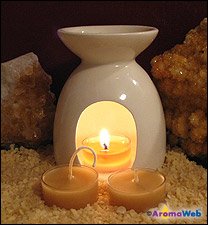
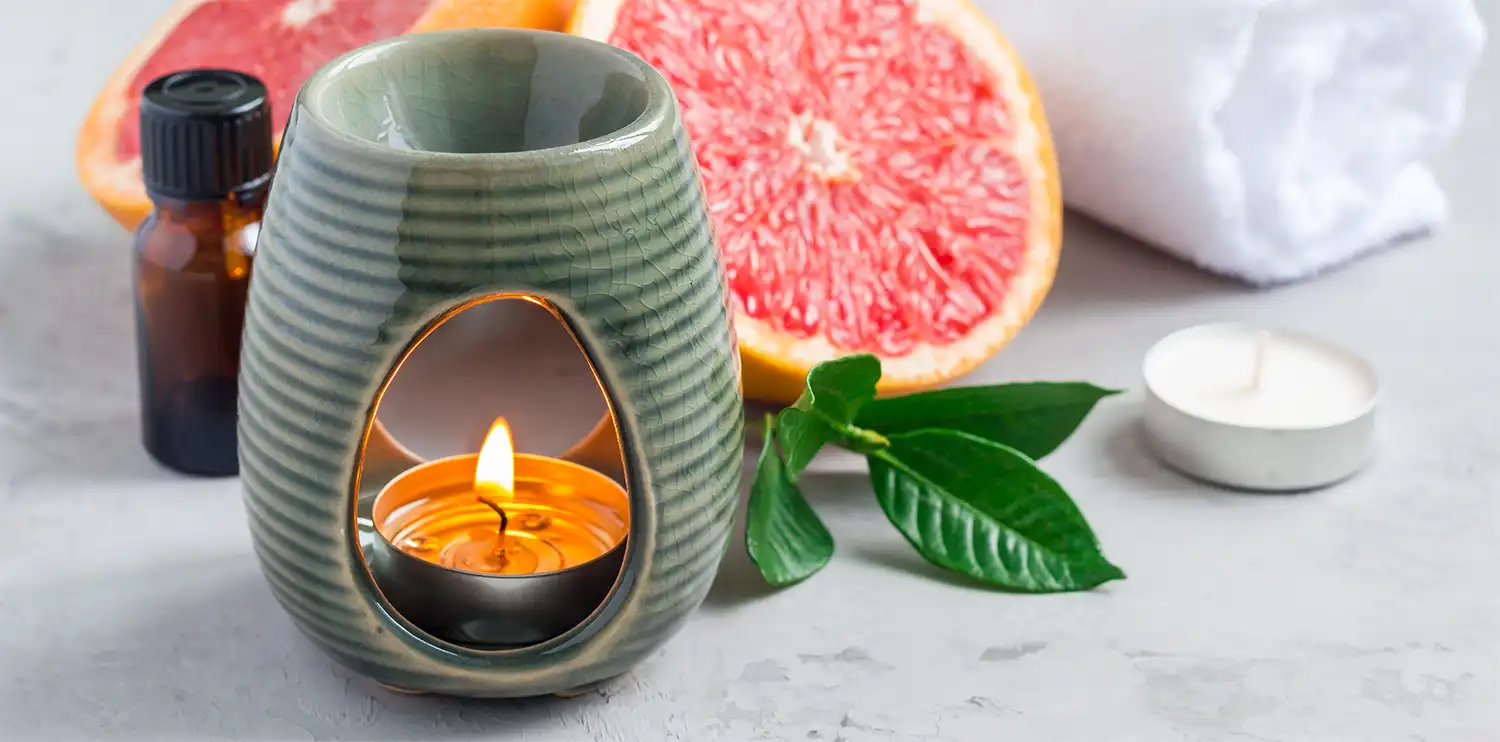
A candle diffuser is a diffuser that utilizes a tea light or other candle to gently heat the essential oil to promote diffusion into a room. A candle diffuser is usually ceramic or metal. The diffuser has an opening or space for a candle and a little bowl or tray for storing a tiny quantity of essential oil. Candle diffusers come in many shapes and colors from the modest functional piece to those that act both as a work of art and as a candle diffuser.
Candle Diffuser Benefits:
Candle diffusers are usually less pricey than nebulizing diffusers, depending on the style and design. Candle diffusers do not require electricity or batteries.
Candle Diffuser Disadvantages:
One needs to be as careful with using a candle diffuser as with using candles in general. Also, one must be sure to keep replacement candles on hand.
Terracotta and Sandstone Essential Oil Diffusers
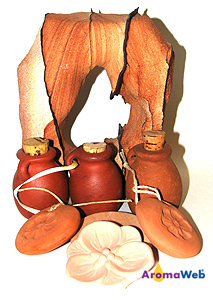
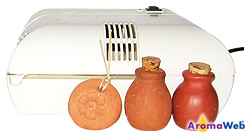
Terracotta clay and sandstone diffusers go by many names and come in an array of attractive shapes and sizes. Some terracotta diffusers resemble tiny clay pots that accept a small quantity of essential oil. Usually a cork is the method by which the opening is closed. The oils permeate through the pot and then diffuse out into the room. The intensity of the aroma depends on how much essential oil is added to the clay pot or other shaped diffuser. Sandstone is quite porous and is another lovely way to passively diffuse essential oils.
Terracotta and Sandstone Essential Oil Diffuser Benefits:
Clay pot diffusers are very inexpensive, easy to use, and do not require electricity or batteries.
Terracotta and Sandstone Diffuser Disadvantages:
The aroma is strongest shortly after adding essential oil to the clay pot and then dissipates as time passes. As such, it’s hard to keep the same level of aroma in the room.
Lamp Ring Aromatherapy Diffusers
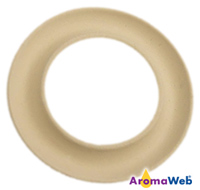
Lamp rings are typically made out of terracotta or brass. They are shaped like a ring and set directly onto a standard light bulb. They have a grooved lip that goes all the way around them. This lip holds the essential oil. The heat from a light bulb heats the essential oil in the lamp ring, and the oil is then gently diffused into the room.
Lamp Ring Aromatherapy Diffuser Benefits:
Lamp Rings are usually inexpensive.
Lamp Ring Disadvantages:
If any essential oil gets onto the light bulb, the light bulb could break. They won't work with odd sized bulbs or with bulbs that are situated at odd angles. Lamp rings probably cannot be used with high efficiency bulbs.
Aromatherapy Diffusion Methods with Existing Household Items
Simple Tissue Diffusion
Place 3-4 drops of essential oil on a tissue. Place the tissue near you. As movement occurs in the room (i.e. as you move or as someone walks by),the aroma from the essential oils will waft through the air.
Tissue Diffusion Benefits:
This method can be used anywhere and is quickly transportable. This is an ideal aromatherapy diffusion method to use in public (i.e. in a work cubicle or on an airplane) when you can't diffuse essential oils throughout the room or space.
Tissue Diffusion Disadvantages:
This method does not emit much aroma into a room.
Steam Diffusion
Boil 2 cups of water. Pour the water into a bowl and add up to 10 drops of essential oil to the water. Use fewer drops if you are using an essential oil or synergy that may cause irritation to your mucous membranes (i.e. cinnamon, eucalyptus, rosemary, pine, thyme, cajuput). Use of energizing or relaxing essential oils can make this method useful any time of day or night. The steam will heat the essentials oils and cause them to diffuse by evaporation quickly into the room.
Essential Oil Steam Diffusion Benefits:
This aromatherapy diffusion method will quickly diffuse the essential oils into a room.
Essential Oil Steam Diffusion Disadvantages:
The aroma is not exceptionally long-lasting.
Candle Aromatherapy Diffusion
Light a pure beeswax or soy candle and allow it to burn for about 5 minutes. Extinguish the candle. Then, carefully place 1 drop of essential oil in the melted wax (not on the wick!) and then relight the candle. Essential oils are highly flammable, so great care must be used.
Essential Oil Candle Diffusion Benefits:
This essential oil diffusion method can be used most anywhere that a candle may be used.
Candle Diffusion Disadvantages:
Essential oils are flammable, so great care must be used. The aroma is not long-lasting.
Essential Oil Diffusion Safety Tips
Diffuse essential oils sensibly. They should not be continuously diffused. Be sure you are diffusing in a well ventilated space. For more information, read AromaWeb's Essential Oil Diffuser Safety Tips.
How to Use an Essential Oil Diffuser
Many different diffuser sizes, brands and models exist. Carefully read and follow the instructions that were included with your specific diffuser.
If you no longer have the directions, try contacting the manufacturer to request them.
A Note About Using Water or Carrier Oils With Your Diffuser
I am sometimes asked about water and/or carrier oil usage when diffusing essential oils.
Water is needed for some types and models of aromatherapy diffusers, but not for all.
Carrier Oils are generally not necessary when using most types of nebulizers and aromatherapy diffusers, but you should double-check the instructions that accompany your brand and model device. Some reed diffusion recipes do include carrier oils.
Check the instructions that came with your aromatherapy diffuser or contact the manufacturer for usage instructions.
Where to Buy Essential Oil Diffusers
To locate artisans, retailers and wholesalers that sell diffusers, visit the Aromatherapy Diffusers Category of AromaWeb's Aromatherapy Business Directory.
For essential blends that you can try once you have your aromatherapy diffuser, be sure to visit the Essential Oil Diffuser Blends page.