Essential Oils That are More Likely to Cause Irritation and Skin Sensitization

The undiluted use of any essential oil on the skin can potentially cause irritation or sensitization. Read AromaWeb's Guide to Diluting Essential Oils to learn the precautions that you need to know and learn how to dilute your essential oils prior to topical application.
The below charts list display the essential oils that, even when diluted, are more likely to cause dermal irritation or sensitization. For topical applications, it is best to avoid using essential oils that are at higher risk for irritation and skin sensitization without adequate training.
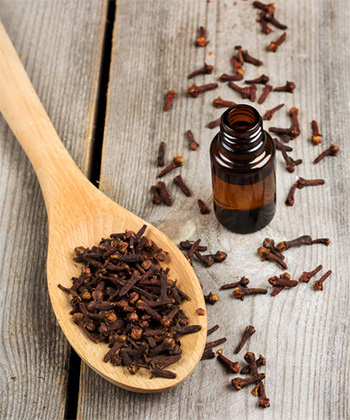
Essential Oils That are More Likely To Cause Skin Irritation
This is not necessarily a complete list...
- Essential Oils Appearing On the Hazardous Essential Oil List and...
- Allspice Essential Oil
- Bay Laurel Essential Oil
- Cassia Essential Oil
- Cinnamon Essential Oil (Bark and Leaves)
- Clove Essential Oil
- Oregano Essential Oil
- Parsley Essential Oil
- Sage Essential Oil (Dalmatian)
- Thyme Essential Oil
Essential Oils More Likely To Cause Skin Sensitization
This is not necessarily a complete list...
- Essential Oils Appearing On the Hazardous Essential Oil List and...
- Bay Laurel Essential Oil
- Cassia Essential Oil
- Catnip Essential Oil
- Cinnamon Essential Oil (Bark and Leaves)
- Clove Essential Oil
- Lemongrass Essential Oil
- Litsea Cubeba Essential Oil (May Chang Essential Oil)
- Melissa Essential Oil
- Oakmoss Absolute
- Peru Balsam Essential Oil
Oxidized and Old Essential Oils
Essential oils that are old or that have been stored improperly are more likely to be oxidized. Essential oils that are abundant in limonene, pinene and other monoterpenes are the most at-risk for oxidation and pose increased risk of causing irritation or sensitization. Although some essential oils are more at risk of quicker oxidation than others, it is a good rule of thumb to avoid using any essential oil that has been stored incorrectly or is beyond it's shelf life even if it's not shown in the above lists.