
The Confusion Behind the Term Aromatherapy
What's in a name?
That which we call a rose
By any other name would smell as sweet.
-Excerpt from Romeo and Juliet by Shakespeare
At first glance, the term aromatherapy seems straightforward enough. It is derived from the Latin word aroma, and the French word thérapie. How confusing can the combination of two simple everyday words such as aroma and therapy be? In reality, the term aromatherapy leads to two false assumptions — false assumptions that benefit companies that use the term differently than ever intended and in so doing, perpetuate the confusion.
False Assumption #1:
The term aromatherapy implies that anything that is aromatic and "smells good" is considered healing or therapeutic.
Aromatherapy, more formally called holistic aromatherapy, is a field of study and practice that utilized the use of pure essential oils and other botanical aromatic and vegetable oils. Candles, massage oils, potpourri products, bath salts and other products that contain synthetic fragrance oils and other synthetic ingredients are not generally avoided as aromatherapy products, despite any aromatherapy claims stated on the labels. Not all natural ingredients are healthy for us or safe to use. There are ingredients including essential oils that are considered toxic. Toxic essential oils are also generally avoided in the practice of aromatherapy except in mindful instances by those experienced and qualified to do so.
It goes without saying that your favorite designer fragrance will stir your emotions and your sense of smell. And you may also wear your favorite fragrance in the hopes that it will stir particular emotions within your spouse/romantic partner and those that you come into contact with. Your favorite fragranced candle can also bring a smile or a temporary sense of calm. That heavily fragranced candle, especially if it is made with commonly used paraffin wax, however, may be dispersing toxins into the air as you burn it, and that is far from the intended definition of aromatherapy that is meant to use only natural, therapeutic ingredients.
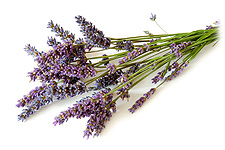
The distinction is that synthetic fragrances can be harmful over time even when used correctly, and they do not offer the range of therapeutic benefits of essential oils. I love to use Lavender Essential Oil as an example. A synthetic fragrance that smells like lavender may be pleasing to your nose and make you smile as you inhale, but that is pretty much all it will do. Lavender Essential Oil, on the other hand, contains natural constituents including linalyl acetate and linalol that are anti-microbial, anti-inflammatory, can help ease pain, and can help provide a sense of calm. It's calming ability is not simply because it smells "nice." The linalyl acetate present within Lavender Essential Oil greatly contributes to Lavender's calming properties. Topically when safely diluted, it can also help to speed the healing of burns and offers a number of other benefits. Visit the Lavender Essential Oil profile page to learn more about the oil.
False Assumption #2:
The term aromatherapy inherently implies that it is a field that uses essential oils solely for their particular aroma and effect on the emotions.
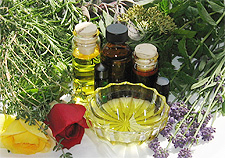
Aromatherapy goes far beyond the use of just "sniffing" (more appropriately referred to as inhaling) essential oils and other aromatics for their psychological and mood altering benefits. Granted the practice of aromatherapy frequently involves the inhalation and diffusion of essential oils for this purpose, but the practice also heavily emphasizes the careful, mindful use of essential oils for topical application in skin care, hair care, wound care, and in helping to prevent and help care for illnesses such as the colds and the flu.
Above, I described a few properties of Lavender Essential Oil. When inhaled/diffused, lavender essential oil is an aromatically beautiful oil that is relaxing, helps to ease stress and helps to calm the mind and promote sleep.
How Did Aromatherapy Originally Get Its Name?
During the earlier part of the 20th century, a French chemist by the name of René-Maurice Gattefossé became interested in essential oils for their medicinal properties. Previously, he focused on the aromatic use of essential oils in perfumery application, but his interest in their therapeutic use grew after he suffered a serious injury and was impressed by the remarkable results that he experienced using Lavender Essential Oil. That experience lead to his ongoing study of essential oils.
It is Gattefossé that is credited with coining the term aromatherapy in 1928 within an article where he supports the use of using essential oils in their whole without breaking them down into their primary chemical constituents. In 1937, Gattefossé wrote a book called Aromathérapie: Les Huiles essentielles hormones végétales that was later translated into English and named Gattefossé's Aromatherapy. It is still in print and widely read.
Gattefossé certainly had no idea at the time that aromatherapy would become the field it is today and that the term that he genuinely meant to refer to a natural healing modality would be snatched up and misused as a marketing buzzword.
Should Aromatherapy be Renamed?
Robert Tisserand the aromatherapy pioneer and expert who was responsible for being one of the first individuals to bring knowledge and education of aromatherapy to English speaking nations, has written several books and articles including the highly respected 1977 publication The Art of Aromatherapy. The Art of Aromatherapy was the first aromatherapy book to be published in English.
I recall a lively correspondence that I enjoyed with Robert Tisserand several years ago regarding the confusion over the term aromatherapy. In brief, we both agreed that the term is confusing and does not fully capture what the field is all about, and we shared our comments over the dilemmas in changing the name of this valuable holistic field. Though there is agreement amongst many that the term aromatherapy is misleading, little has been able to be done to solve the dilemma. We cannot magically snap our fingers and instantly change the term aromatherapy to something immediately accepted by all and that doesn't frequently draw clouded assumptions.
The dilemmas that exist include the following:
- Common agreement does not exist on what single word or brief phrase would clarify what holistic aromatherapy entails.
- What body would be given the authority and would hold the confidence by those in the field and society in general to officially decide upon a new term?
- How would that body be chosen?
- The phrase aromatherapy has been in use for over 70 years. In its translated derivatives, is a term that is used worldwide. How would the field go about reducing the confusion that would certainly occur during the long transitional process of converting from the term aromatherapy to another term?
- Instead, would there be a secondary term used by the holistic aromatherapy field to distinguish products and or ingredients as meeting the requisites of the field?
- Would this name change be imposed just on the United States and/or English speaking nations or would it be adopted by other countries, like France, in which the term is much more clearly understood?
- Would a name change also impose a new definition of the field that limits or expands the nature of the field?
Possible Name Choices...
Holistic Aromatherapy
This is a term that is already used primarily by professionals in the field. I often prefer to use the phrase holistic aromatherapy as it helps to differentiate the clouded overuse and misuse of the simple word aromatherapy by the general public. Often, but not always, those who utilize the term holistic aromatherapy are intimately familiar with the history and intended definition of the term aromatherapy.
Essential Oil Therapy
A longer phrase, essential oil therapy, is a bit more clear, but it still does not convey the full scope of aromatic and natural ingredients that are used by those who practice holistic aromatherapy. Other natural aromatic ingredients including herbs and other aromatic plants, and oils distilled by other primarily natural methods such as CO2 Extracts and Absolutes are often used in the practice of holistic aromatherapy as we define it today.