How to Shop for Essential Oils
Within this article, I loosely refer to all the volatile aromatherapy oils including essential oils, absolutes and CO2s collectively as "essential oils."
To purchase quality essential oils that are best suited for your particular needs and budget, there are a number of important factors to keep in mind. Read the list of important tips to learn what you need to know when comparing essential oils offered from different retailers, wholesalers and other sources.
List of 24 Important Tips to Keep in Mind When Shopping for Essential Oils: What to Look for and What to Beware Of
- When shopping for essential oils, watch out for words such as “fragrance oil,” “nature identical oil,” or “perfume oil.” These words indicate that what you see is not a pure, single essential oil. I've seen companies label fragrance oils (that can be combinations of essential oils and chemicals or just plain chemicals) and perfume oils as being suitable for aromatherapy. This is a tipoff that the vendor knows little about aromatherapy. Countless vendors of strictly fragrance oils have written me to ask for advertising of their “aromatherapy oils" (I don't accept such advertising). Beginners need to watch out for retailers/suppliers who inaccurately use the term aromatherapy for their own sales gain.
- Be careful when purchasing essential oils from big box stores, and drug stores. Even though we want to trust the brands they sell, there have been reports from trusted sources that some essential oil brands sold at particular large stores have been adulterated. Research that brand first before potentially returning to purchase the essential oil.
- Be precautious of suppliers that promote their essential oils as being "therapeutic grade" or "aromatherapy grade." There is no governmental regulating body that grades or certifies essential oils as "therapeutic grade" or "aromatherapy grade." (For more information, read the "Therapeutic Grade" and "Aromatherapy Grade" Essential Oils article.) Not all companies use these terms with any form of deception in mind, but some may. Therefore, it's important to understand the background behind this terminology and evaluate these suppliers based on other factors and the tips shown below.
- The term “pure essential oil” is also a term overused in the aromatherapy industry. The term can clue you in that at least the retailer/supplier is aware of the importance of seeking out pure oils, but don't rely solely on a vendor's use of the term "pure" when deciding to purchase. Pure essential oils can be distilled from poor quality crops, be sitting in someone’s inventory or on a store’s shelves for years, be stored in a way that damages the oils, or be mishandled by vendors so that oils are accidentally mixed during bottling. So, don't get overly impressed by a vendor that labels their oils as "pure."
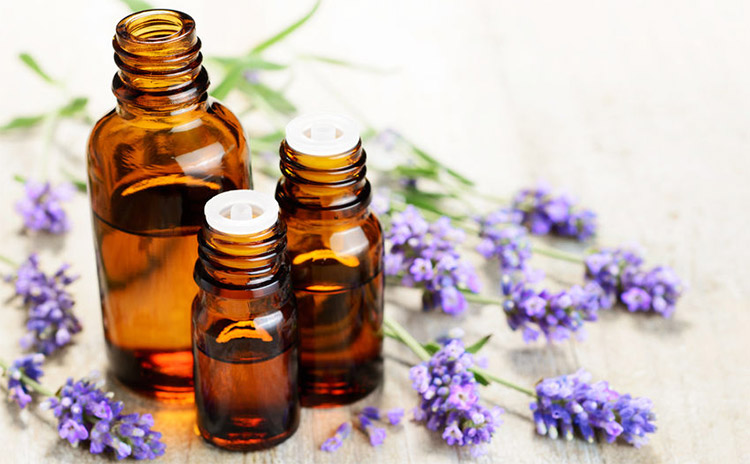
- Most vendors selling quality oils at sizes of 4 oz. or smaller sell their oils in dark colored glass. Be leery of vendors that sell oils at these sizes in plastic or clear glass containers.
- When purchasing oils online, it is not uncommon for larger sizes of essential oils to be shipped in non-glass containers to avoid breakage and reduce shipping fees. Essential oils, however, can dissolve plastic bottles and the quality of the oil can deteriorate more rapidly. When receiving oils shipped in plastic or clear glass, be sure to immediately transfer the essential oils to dark colored glass bottles, unless you plan to use the essential oil (i.e. formulate with it) immediately. You can find bottle suppliers listed within AromaWeb's Aromatherapy Business Directory. It's a savvy idea to keep empty bottles on hand. If you purchase from a supplier that ships in plastic, ask them how long the oil has been stored in the plastic bottles prior to shipment. Ideally, you want to work with suppliers that transfer to plastic just prior to shipment.
- Some vendors also sell larger quantities of oil in aluminum bottles. Aluminum is said to be acceptable if the inside of the bottle is lined.
- Avoid purchasing or storing essential oils that are packaged in bottles that include rubber eyedropper bulbs in the top. Over time, essential oils are strong enough to dissolve the rubber dropper and contaminate the oil. Instead, small retail sizes of essential oils tend to be sold in bottles that include an orifice reducer , sometimes known as a euro dropper, that is made out of a material that won't contaminate the oils. If essential oils are packaged or stored in bottles that do not include an orifice reducer, a pipette can be used to dispense essential oils by the drop. Larger sizes of essential oils tend to be packaged without orifice reducers because larger bulk sizes of essential oils tend to be purchased by those that prepare larger recipes and measuring by the drop would be inappropriate for them. For more information, see AromaWeb's Essential Oil Storage article.
- Seek out vendors that provide detailed information about their oils and that give you confidence in their knowledge and background. Pay attention to the educational background that they provide and their length of time in business.
- If you are comparing online vendors, send e-mail to them asking questions that you have. If you don't have any, think of something to ask so that you have a reason to write them. Find out how helpful and knowledgeable they seem.
- Watch out for vendors that sell each of their "essential oils" for the same price. This doesn't guarantee that the oils are not pure or of good quality, but it really does scream of concern. Generally speaking, Neroli, Jasmine and Rose, for instance, should cost a lot more than Geranium and Ylang Ylang and anyone reputable in selling essential oils should realize that and should be aware that selling all oils for the same price is a red flag to knowledgeable consumers. A good quality Patchouli usually costs more than Eucalyptus. The basic, common citrus oils including Sweet Orange oils are some of the least expensive oils.
- When buying essential oils locally, watch for oils that have dust on the top of the bottles or boxes. This is an indication that the oils have been sitting around. As time passes, most oils oxidize, lose their therapeutic properties, and their aroma diminishes. The bottles should be sealed so that the oil couldn't be contaminated by other customers. The one advantage to purchasing oils in person is that they often provide "tester" bottles so that you can evaluate the aroma. Keep in mind, however, that the essential oil in the testers don't necessarily reflect the exact aroma of the oil you will receive as the tester bottles are more prone to oxidation due to the number of times the bottles are opened and closed. Also, the testers aren't always from the same lot.
- While I frequently shop and support a number of health food stores in my area and don't want to discourage anyone from supporting their local holistic health related stores, the products that are glaringly absent from my shopping cart at health food stores are essential or carrier oils. I'm not a fan of purchasing essential oils in health food stores as the oils don't sell very quickly and have more risk of aging/oxidizing while sitting on their shelves. Additionally, the brands generally sold in health food stores (but not always) tend to be lower quality oils or risk being stored in less than optimal ways (i.e. when they aren't on the shelf, are they stored in a hot storage area that can be detrimental to the oil). There certainly are exceptions, but health store owners and their staff generally just don't know as much about essential oils as retailers and suppliers that specialize in essential oils and aromatherapy, often with owners that have actively and formally studied and worked with the oils.
- Avoid buying oils from retailers/suppliers that don't provide the essential oil's botanical name (Latin name), country of origin or method of extraction. I've bought good quality oils from companies that don't bother listing this information (though I contact them to confirm this information prior to purchase), but I often wonder why any truly knowledgeable vendor would not realize the importance of automatically including this information. For instance, there are multiple varieties of Bay, Cedarwood, Chamomile, Eucalyptus, and so on. Each offers different therapeutic properties. The country of origin for oils is also important because the climate and soil conditions can affect the resulting properties of the oil. Is that rose oil steam distilled or is it an absolute? Any good aromatherapy vendor should realize the necessity for providing this information.
- Several corporations sell essential oils via MLM and distributor arrangements. It is understandable that you may want to trust every statement and suggestion that your beloved best friend, relative or even that "honest" friend from church may tell you about the essential oils that he/she is so excitedly trying to sell you as a distributor. Essential oils offer many impressive benefits. If the claims you hear sound too good to be true, however, it's ok for you to be skeptical. Be prudent. Be careful. It is safest to do your own independent homework using multiple sources, and confirm usage and safety information first.
- There are many reputable essential oil and aromatherapy retailers and suppliers that sell their essential oils online. Buying online gives you the opportunity to shop with many more reputable companies than if you were limited to only those businesses within your locale. Reputable companies are experts in properly bottling and packaging their oils for shipment.
- However, be very careful purchasing essential oils from Amazon. I shop on Amazon for particular things, but not for essential oils or carrier oils. At the time that I am writing this, I do not believe that Amazon does anything to "verify" the authenticity or quality of the essential oil brands that they sell. Dr. Robert Pappas of Essential Oil University has tested a selection of essential oils from various essential oil companies that sell via Amazon and has found an alarming number of issues with adulteration. Even for oils that have amazing ratings. Having said that, I want to be clear that I don't mean to imply that every brand or essential oil that is sold via Amazon is adulterated. I do know of at least one highly respected brand of essential oils that does offer their oils through Amazon (in addition to selling them through their own website). My point is to express that there is reason to be very diligent and very careful if considering buying essential oils through Amazon.
- Educate yourself about the FDA guidelines for essential oils and aromatherapy products. For more information, read FDA Regulation of Aromatherapy Products.
- Organic oils are typically superior to non-organic oils. Read the Organic Essential Oils article for more information.
- Be careful when buying essential oils from companies that primarily sell to the food & beverage or perfumery industries. Some vendors that primarily sell to these industries may have different goals in the purchase and sale of their essential oils than the goals of vendors that sell oils specifically for therapeutic aromatherapy use. The restaurant and perfumery industries typically desire essential oils that have a standardized (consistent) aroma or flavor. The oils sold by these sources may be redistilled to remove or add specific constituents (natural chemicals found in the oils). These re-distillations or adulterations are generally not as beneficial. However, it can be tempting to shop with such vendors as their prices can be cheaper. If desiring to buy from such a vendor, inquire first to ask about their methods.
- Most of us need to watch how much we spend. It’s very tempting to buy essential oils from the companies that sell them for the lowest price. Price alone isn't an indication of quality, but it can be. Knowledgeable vendors that spend countless hours locating quality oils, pay the expensive fees to test their oils (refer to the links available towards the bottom of the page to learn more about essential oil testing) and provide the results to customers and provide free samples upon request should rightfully be charging more for their essential oils than retailers that stock oils that they've sourced from the cheapest sources.
- When choosing to try a particular vendor, place a small first order and ask for asamples (don't ask for a sample of everything, honestly ask for 2-4 samples of oils that you are sincerely interested in purchasing). The goal is to find out if this is a vendor that you are pleased with without wasting your money on large orders that you might not be happy with.
- It is costly and time consuming for vendors to provide samples. Some vendors and suppliers receive an overwhelming number of requests for free samples. It can be hard for vendors to determine legitimate and honest sample requests from those just looking for freebies and that have no intention of ever placing a future order. Therefore, some vendors do need to charge a small fee for providing samples. These policies should not reflect poorly on the vendor.
- Be cautious about purchasing oils from traveling vendors that set up shop at street fairs, farmer's markets, craft shows, festivals or other limited-time events. Some traveling vendors at these events may know their customers have no recourse against them after the event is over. I want to be very careful here as there indeed are highly reputable, experienced sellers at such events, and some vendors do have a well respected, strong, local and permanent presence in the area of the show/festival. This is a caution for beginners who are not able to reliably judge quality at first, and I trust that experienced, honest vendors understand this precaution. When considering a purchase, ask the vendor for details about their experience and where their business is physically located. Ethical and experienced vendors are generally happy to answer detailed questions about their products/oils and tend to fully respect the importance of qualifying questions. They should be be more than happy to share their background with you.
- As you begin shopping for essential oils, make it your priority to support the companies that support AromaWeb. AromaWeb's advertisers support AromaWeb's mission to be an invaluable online informational resource that provides in-depth aromatherapy information. While I try to be very careful regarding what companies advertise on AromaWeb, I am not able to endorse any company. I cannot possibly have the time or capability to try every product every company sells or continually monitor their Web sites and marketing. However, I have lost count (and income!) over the number of companies that I have -not- allowed to advertise on AromaWeb over the years due to ethical concerns.
To get started, please visit the Web sites of AromaWeb's banner advertisers (you can view them all within the Advertiser Spotlight area) and the advertisers located within AromaWeb’s categorized Aromatherapy Business Directory.
Recommended Reading
Verifying Essential Oil Quality:
- Part 1: Introduction
- Part 2: Why Is the Quality/Purity of an Essential Oil Important?
- Part 3: Aren't Most Essential Oils Pure?
- Part 4: Constituents - What do Essential Oils Consist Of?
- Part 5: Quality vs. Purity - Aren't They the Same Thing?
- Part 6: Quantifiable Testing of Essential Oils
- Part 7: GC-MS Test Results - How Can They Be Used?
- Part 8: Other Quantifiable Tests for Testing the Quality and Purity of Essential Oils
- Part 9: Essential Oil Quality and Purity Conclusion: Final Questions/Answers