What are Carrier Oils?
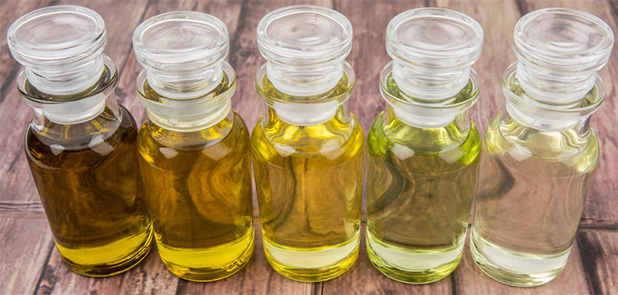
Pictured above is a variety of cold pressed vegetable oils ranging in color from clear Fractionated Coconut Oil to dark Avocado Oil
A carrier oil is a vegetable oil derived from the fatty portion of a plant, usually from the seeds, kernels or the nuts.
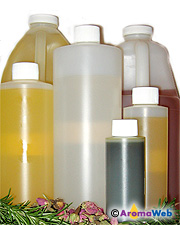
If applied to the skin undiluted, essential oils, absolutes, CO2s and other concentrated aromatics can cause severe irritation, sensitization, redness or burning or other reactions. Carrier oils are used to dilute essential and other oils prior to topical application (it's important to be sure to dilute essential oils adequately). The term carrier oil is derived from their purpose in carrying the essential oil onto the skin. Aloe vera gel and unscented body lotion are also commonly used as "carriers." For the scope of this article, however, we will be focusing upon the use of natural vegetable oils as carriers.
Each carrier oil offers a different combination of properties and characteristics. The choice of carrier oil can depend on the benefit being sought.
Natural lotions, creams, body oils, bath oils, lip balms and other moisturizing skin care products are also made using vegetable (carrier) oils. From a simple essential oil/carrier oil blend to a more complex natural lotion, your choice of carrier oil can make a difference in the properties, color, overall aroma and shelf life of your final product.
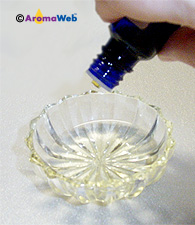
Adding essential oil, drop by drop, to a tablespoon of carrier oil.
Essential Oils vs. Carrier Oils
Essential oils are distilled from the leaves, bark, roots and other aromatic portions of a botanical. Essential oils evaporate and have a concentrated aroma. Carrier oils, on the other hand, are pressed from the fatty portions (seeds, nuts, kernels) and do not evaporate or impart their aroma as strongly as essential oils. Carrier oils can go rancid over time, but essential oils do not. Instead, essential oils "oxidize" and lose their therapeutic benefits, but they don't go rancid.
Vegetable Oils are Also Known as Carrier Oils or Base Oils
The term carrier oil is generally limited to use within the practice of aromatherapy. In natural skin care, carrier oils are typically referred to as vegetable oils, fixed oils or base oils. Not all fixed oils/base oils are vegetable oils. Emu oil (from the emu bird) and fish (marine) oils are also classified as fixed/base oils, but these animal-based oils are generally not used for aromatherapy work.
After reading this article, be sure to also view AromaWeb's Guide to Carrier Oils to view profiles and properties for many carrier oils used in aromatherapy and skin/hair care.
The Aroma of Carrier Oils
Some carrier oils are odorless, but generally speaking, most have a faintly sweet, nutty aroma. If you come across a carrier oil that has a strong, bitter aroma, the carrier oil may have gone rancid, but some carriers such as Neem or Tamanu are very potent. See the Carrier Oils and Rancidity section of this article for information on rancidity.
Examples of Vegetable Oils that are Commonly Used as Carrier Oils in Aromatherapy:
- Almond Oil
- Apricot Kernel Oil
- Avocado Oil
- Borage Seed Oil
- Camellia Seed Oil (Tea Oil)
- Coconut Oil, Fractionated
- Coconut Oil, Virgin
- Cranberry Seed Oil
- Evening Primrose Oil
- Grapeseed Oil
- Hazelnut Oil
- Hemp Seed Oil
- Jojoba
- Kukui Nut Oil
- Macadamia Nut Oil
- Meadowfoam Oil
- Olive Oil
- Pomegranate Seed Oil
- Rose Hip Oil
- Sesame Oil
- Sunflower Oil
- Watermelon Seed Oil
Shopping For Carrier Oils
Trends are changing, but most typical vegetable oils sold in grocery stores are not cold-pressed. Instead, the oils are processed using heat and are typically refined. For the most nourishing, freshest carrier oils, strive to shop with retailers and suppliers that specialize in the sale of aromatherapy or natural skin care ingredients. Your local health food/nutrition store may be a source for carrier oils, but the oils can often be pricier. Watch for dust on the bottles when buying oils locally. That can indicate the oil has been sitting around for awhile. Look for oils that are not blends of two or more oils and that have no additives.
Production and Processing Methods
Generally speaking, virgin carrier oils are preferred by many for use within the scope of aromatherapy and for use in natural skin care.
The term virgin, as it applies to vegetable oils, indicates that the oil has been cold pressed and has not undergone any refinement processes. Cold pressed carrier oils can still incur heat during their production due to the immense friction used, but cold pressed oils are processed under conditions that keep the heat to a minimum.
Oils that indicate that they are expeller pressed have not been processed to maintain low heat levels. When oils are processed without cool conditions, the high temperature degree and duration of the processing method can potentially harm the fragile nutrients in the oil.
There are advantages and disadvantages to using virgin carrier oils vs oils that are refined. AromaWeb's Virgin Carrier Oils article elaborates on the pros and cons.
Nutrients
Carrier oils can contain fat soluble vitamins, minerals and other nutrients. Seabuckthorn Berry Oil, for instance, has such a high ratio of beta carotene that the oil is orange and is amongst the most vivid of oils. Oils that naturally contain tocopherols (Vitamin E) act as anti-oxidants which are both helpful to the skin and generally help extend the shelf life of the oil.
Essential Fatty Acids
Essential Fatty Acids are fatty acids that our bodies cannot manufacture and need to get from our diets. When applied topically, they are very nourishing to our skin. Carrier oils vary in their ratio and specific EFAs that they contain. EFAs are a benefit to the skin, but they also can make an oil more fragile and prone to quicker rancidity. See the Essential Fatty Acids article for more information.
Price
Carrier oils can vary greatly in price based on several factors: The plant the oil is produced from, any organic or other certifications that apply to the oil, how the oil was produced, the age of the oil, the quantity that you're purchasing, and the source that you're purchasing it from.
Organic
Organic carrier oils generally cost more than conventional oils. When purchasing organic carrier oils, verify if the oil is certified organic.
Color
Color doesn't always matter when selecting a carrier oil for simple blends, but it can matter if you are making more elaborate recipes where the color of your final product is important to you.
Aroma
The aroma of some carrier oils can compete or conflict with the aroma of the essential oils in your desired blend.
Viscosity: Viscosity is a measurement of the resistance of a liquid to movement and flow. For our purposes in comparing carrier oils, I keep things simple by defining them as having a "thin," "medium" or "thick" viscosity.
Absorption/Feel
This is a rather subjective evaluation of how thoroughly and quickly an oil penetrates the skin, and if it makes the skin feel oily after application.
Shelf Life
Carrier oils vary in how long they last before oxidizing and becoming rancid. When purchasing carrier oils, estimate the quantity of oil that you think you'll use within the lifetime of the oil. See the Carrier Oils and Rancidity section of this article for information on shelf life and rancidity.
Avoid Mineral Oil
Mineral oil and petroleum jelly are byproducts of petroleum production. They are not of natural, botanical origin and are not used within the scope of holistic aromatherapy. Mineral oil is used in baby oils and many commercially available moisturizers because it is an inexpensive oil to manufacture. It, however, can clog pores, prevent the skin from breathing naturally, prevent essential oil absorption, prevent toxins from leaving the body through the natural process of sweating, and I've read reports that it can be absorbed into the body and block vitamins from properly being utilized. These same concerns apply to petroleum jelly.
Storing Carrier Oils
For fragile carrier oils or for those that you will be keeping for a long duration, store them in dark glass bottles with tight fitting tops, and store them in a cool, dark location. Amber or cobalt Boston round bottles are ideal.
If you will be using up an oil well before its lifespan, it really doesn't need to be transferred to dark glass. When you purchase carrier oils, the supplier may have packaged it in a plastic (PET/HDPE) bottle. This doesn't mean that the oil is inferior. Often suppliers use plastic bottles to save packaging and shipping costs and because many customers use up the oils shortly after purchase. Unlike with essential oils which should always be stored in glass (essential oils can dissolve the plastic), carrier oils can be stored in plastic.
Most carrier oils can be stored in the refrigerator, and this can help prolong the lifespan of fragile oils like Borage Seed Oil. Avocado Oil, however, should not be stored in the refrigerator. Oils stored in the refrigerator may solidify or turn cloudy and will need time to return to room temperature prior to use.
Carrier Oils and Rancidity
Essential oils do not go rancid. Carrier oils, however, do become rancid over time. The level of natural fatty acids, tocopherols, method of extraction and other characteristics of an oil all can affect how quickly an oil becomes rancid. If you come across a carrier oil that has a strong, bitter aroma, the carrier oil may have gone rancid. If you can, compare the aroma of the oil that you suspect is rancid with the same botanical oil that you know is fresh.
Carrier oils that you purchase should be natural and unadulterated. Exceptions include buying carrier oils that have natural Vitamin E added. Vitamin E, often listed as tocopherols acts as a natural preservative.
Vegetable Butters and Other Ingredients As Carriers
Vegetable butters are not carrier oils, but the beneficial properties of vegetable butters like Cocoa Butter and Shea Butter make them lipids that are suitable for use in aromatherapy.
Vegetable butters are similar to vegetable oils but are solid at room temperature. Vegetable butters are processed by a wide variety of methods, so it's especially important to check the method of extraction when shopping for butters. Strive to use butters that are cold pressed.
Carrier Oils and Diffusers
I am sometimes asked about carrier oil usage when diffusing essential oils. Carrier Oils are generally not necessary when using most types of nebulizers and diffusers. Check the instructions that come with your diffuser or contact the manufacturer for usage instructions).
Carrier Oil Profiles
Go to AromaWeb's Guide to Carrier Oils to view profiles and properties for 24 carrier oils used in aromatherapy and skin/hair care.
Carrier Oil Suppliers
AromaWeb's Aromatherapy Business Directory provides a helpful listing ofsuppliers of Carrier Oils and other aromatherapy products.