
Understanding Hydrolats: The Specific Hydrosols for Aromatherapy
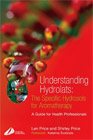
Understanding Hydrolats: The Specific Hydrosols for Aromatherapy: A Guide for Health Professionals
Authors: Len Price and Shirley Price
Publisher: Churchill Livingstone
Copyright: 2004
ISBN: 0443073163 / 978-0443073168
Pages: 300

This page contains affiliate links. Get details.
For a more affordable and more well-recognized book about Hydrosols, Suzanne Catty's book Hydrosols: The Next Aromatherapy is tops on the list of most aromatherapy professionals.
For anyone seriously interested in actively utilizing hydrosols within their daily lifestyle or aromatherapy practice, Understanding Hydrolats is a must-have additional book to use as an educational resource and hydrosol reference book.
Table of Contents for Understanding Hydrolats: The Specific Hydrosols for Aromatherapy:
- Foreword
- Preface
- Acknowledgments
- Chapter 1: Introduction
- The First Aromatherapy
- Is 'Natural" Necessarily Safe?
- Why are Waters Not Used More?
- Sourcing Good Materials
- Advantages of Distilled Plant Waters
- What is Their Composition?
- Scientific Proof
- Water-based Plant Extracts
- Conclusion
- Chapter 2: The History of Aromatic Medicine
- Egypt
- Aromatics Worldwide
- Development of Medicine
- Development of Distillation
- Arab and Spanish Influences
- The Holy Wars, 10th-13th Centuries
- Hungary Water
- Carmelite Water
- After the Crusades
- Paracelsus (1493-1541)
- New Plants Bring New Worlds
- Still Rooms
- Renaissance Herbals
- Eau-de-Cologne
- Rise of Science
- Fall and Resurrection of Plant Medicine
- Some 20th Century Pioneers
- Conclusion
- Chapter 3: The Nature of Water
- Introduction
- Universal Distillation Process
- A Basic Necessity
- Life and Death
- Physical Power of Water
- Visual Aspects
- Judging by Water
- Water as a Solvent and Cleanser
- Water in the Body
- Bottled Water
- Healing Treatments With Water
- Scientists Who Investigated Water
- Structure of Liquid Water
- Polar Solvent - Solubility in Water
- Increased Dilution
- Chapter 4: Terminology and Nomenclature
- Introduction: What's In a Name?
- How Distilled Plant Waters are Obtained
- Current Terminology
- Hydrosols?
- Conclusion
- Chapter 5: Prepared Waters
- Identifying the Product
- Not Distilled
- Internal use
- Fragrant Waters: Methods of Production and Uses
- Additional of Alcohol
- Hydroessentials
- Witch Hazel
- Eau-de-Cologne
- Conclusion
- Chapter 6: Extraction Process and the Plants Used
- What Kinds of Plant Yield Hydrolats?
- The Plants Used
- Drying
- Distillation
- Water Used
- Still hardware
- Chemical Changes
- Time of Distillation
- Yield of Hydrolats
- Volatile Molecules in the Distilled Waters
- Therapeutic Value
- Cohobation
- Water Oil, Recovered Oil
- Are Cohobated Waters Therapeutically Useful?
- Conclusion
- Chapter 7: Physical Aspects
- Introduction
- Temperature
- Time
- Preservatives
- Appearance
- Density
- pH
- Odour
- Quality
- Cost
- Conclusion
- Chapter 8: Analysis
- How Do We Find Out What is in Hydrolats?
- Methods of Extraction
- Discussion of the Molecules Found in Waters Analyzed
- Part 1: Table of Molecules Found in Waters
- Part 2: Chemistry of Aromatic Molecules
- Chapter 9: Alphabetical Listing of Hydrolats With Description, Properties and Indications
- Introduction
- Arrangement of the Text
- Alphabetical List of Hydrolats
- Chapter 10: Methods, Dosage and Recipes
- Reasons for Using Hydrolats
- Hydrolats Used in Association With Other Therapeutic Products
- Uses of Distilled Waters
- Methods: External Pathways
- Methods: Internal Pathways
- Dispersants
- Cautions
- Conclusion
- Recipes
- Recipes for Common Ailments
- Culinary Recipes
- Making your Own Hydrolats
- Chapter 11: Case Studies
- Chapter 12: Decoctions, Infusions, Teas
- Introduction
- Infusions, Teas and Tisanes
- Difference Between a Hydrolat and an Infusion
- Tea With Added Hydrolats
- Tisanes, With and Without Hydrolats
- Teas Made by the Authors
- Decoctions
- Cautions to Observe When Drinking Medicinal Teas
- Appendix A: Therapeutic Index
- Appendix B: Therapeutic Properties of Hydrolats: Quick Reference
- Appendix C: Plant List: Scientific and Common Names
- Appendix D: Analyses of Distilled Plant Waters
- Appendix E: Hydrolat Gas Chromatographs
- Glossary
- References
- Index

Amazon.com typically offers this book
for the lowest price around.
Learn more and view pricing!
