
 |


|
 |
 |
 |
Home Page
> Oil Profiles > Carrier
Oils
Carrier oils also referred to as base oils
or vegetable oils are used to dilute essential oils, CO2s and absolutes
before applying to the skin. Please see the What
are Carrier Oils? article for more information on what carrier oils
are and how they are used. Below is a list of many of the commonly used
carrier oils.
|
Almond, Sweet
|
|
Botanical Name: Prunus
amygdalus var. dulcus
Aroma: Light, slightly sweet and nutty.
Texture: Slightly oily, leaves a slight
oily feeling on the skin. Absorbs semi-quickly.
Color: Virtually clear with a tinge
of yellow.
Notes: Sweet Almond oil is considered
to be a good all-purpose carrier oil to keep on hand and is moderately
priced.
|
|
Apricot Kernel
|
|
Botanical Name: Prunus
armeniaca
Aroma: Faint
Texture: Somewhat oily, absorbs semi-quickly.
Color: Virtually clear with a tinge
of yellow.
Notes: The semi-oily texture makes
this oil helpful in massage blends.
|
|
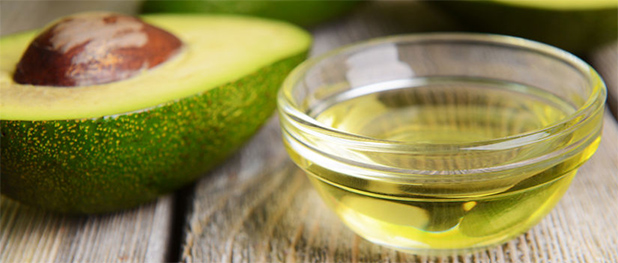
Avocado
|
|
Botanical Name: Persea
americana
Aroma: Medium. Somewhat sweet, fatty
and nutty in aroma.
Texture: Thick, leaves a fatty, almost
waxy feel to the skin.
Color: Deep olive green.
Notes: If not carefully used or used
in a small dilution with another carrier, it may overpower a blend.
|
|
Borage
|
|
Botanical Name: Borago
officinalis
Aroma: Light and sweet.
Texture: Thin to medium, leaves a
somewhat oily feel to the skin.
Color: Light yellow.
Notes: Is said to be excellent in
treating many skin conditions. Borage oil is expensive and is usually
blended in a small (often 10%) dilution with other carrier oils.
It goes rancid rather quickly.
|
|
Cocoa Butter
|
|
Botanical Name: Theobroma
cacao
Aroma: Unrefined cocoa butter
is rich and very sweet . It has a chocolaty, "cocoa" aroma.
The cocoa aroma is less noticeable in refined cocoa butter.
Texture: Solid and hard to work with
at room temperate. Breaks into pieces.
Color: Yellowish tan.
Notes: Cocoa butter needs to be blended
with other materials/oils to be workable. Suitable for use in lotions
and creams.
|
|
Evening Primrose
|
|
Botanical Name: Oenothera
biennis
Aroma: Light and sweet
Texture: Thin, leaves only a trace
of oiliness on the skin.
Color: Medium yellow.
Notes: Evening Primrose is also said
to be excellent in treating many skin conditions. It is expensive
and is usually blended in a small (often 10%) dilution with other
carrier oils. It goes rancid quickly.
|
|
Grapeseed
|
|
Botanical Name: Vitus
vinifera
Aroma: Light, slightly sweet with
a hint of a nutty aroma.
Texture: Thin but leaves a glossy
film on the skin.
Color: Virtually clear, has an almost
unnoticeable tinge of yellow/green.
Notes: Unlike most other carrier oils,
grapeseed oil is solvent extracted and may have trace amounts of
chemical solvent remaining. I have heard mixed reports on the shelf-life
of grapeseed (some have said it goes rancid rather fast). I usually
go through a bottle of grapeseed once each six months and have not
discovered any problems with rancidity when stored in an amber bottle
in a cool dark area.
|
|
Hazelnut
|
|
Botanical Name: Corylus
avellana
Aroma: Light, nutty, somewhat sweet.
Texture: Thin and only leaves a slightly
oily film on the skin.
Color: Light yellow.
Notes: It is said to be a good choice
for those with oilier skin.
|
|
Jojoba
|
|
Botanical Name: Simmondsia
chinensis
Aroma: Light to medium in aroma, not
as sweet as the nut oils. The aroma is distinct but pleasant.
Texture: Light and silky. Absorbs
well.
Color: Yellow.
Notes: Jojoba "oil" is actually
a wax. It is a somewhat pricier oil and is frequently blended in
a small dilution (10%) with other oils. It has a very long shelf-life.
|
|
Kukui
|
|
Botanical Name: Aleurites
moluccana
Aroma: Light, sweet, pleasant, nutty.
Texture: Thin. Absorbs well, leaving
only a trace oily feeling on the skin.
Color: Clear with a hint of yellow.
Notes: It is said to be excellent
in treating many skin conditions. It is a somewhat more pricier
oil. It goes rancid rather quickly.
|
|
Macadamia Nut
|
|
Botanical Name: Macadamia
integrifolia
Aroma: More fragrant than sweet almond
and some of the other nut oils, it is very sweet, fatty and nutty
in aroma.
Texture: Thick and leaves an oily
film on the skin.
Color: Clear with a tinge of yellow.
Notes: If not carefully used or used
in a small dilution with another carrier, it may overpower a blend.
|
|
Olive
|
|
Botanical Name: Olea
europaea
Aroma: Typical aroma of olive oil
used in cooking (smells somewhat like olives).
Texture: Heavy and rather oily.
Color: Light to medium green.
Notes: If not carefully used or used
in a small dilution with another carrier, it may overpower a blend.
|
|
Peanut
|
|
Botanical Name: Arachis
hypogeae
Aroma: Like Pecan, it is extremely
light in aroma with a slight fatty, nutty quality.
Texture: Thick and leaves a very oily
film on the skin.
Color: Virtually clear.
Notes: Peanut oil should not be used
by anyone that has an allergy to peanuts. Because of it's oiliness,
it is said to be a good choice for inclusion in massage blends.
It has been said that it is a good oil to use for those with arthritis.
|
|
Pecan
|
|
Botanical Name: Carya
pecan
Aroma: Extremely light with a hint
of a fatty, nutty aroma.
Texture: Medium thickness, leaves
a slight oily film on the skin.
Color: Virtually clear.
Notes: It is said that it goes rancid
somewhat quickly. I have used only one bottle of Pecan oil and did
not discover any problems with rancidity when stored in an amber
bottle in a cool dark area during my use of the oil over about 4-6
months.
|
|
Rose Hip
|
|
Botanical Name: Rosa
mosqueta
Aroma: Mild and perhaps earthy aroma.
Texture: Light and leaves only a hint
of oil on the skin.
Color: Virtually clear.
Notes: It is said to be excellent
in treating many skin conditions. It is expensive and is usually
blended in a small (often 10%) dilution with other carrier oils.
It goes rancid rather quickly.
|
|
Sesame
|
|
Botanical Name: Sesamum
indicum
Aroma: Medium with a distinctive sweet,
nutty sesame scent. May overpower a blend if not diluted with another
carrier oil.
Texture: Mildly thick, leaves an oily
film on the skin.
Color: Light yellow.
Notes: Sesame oil may overpower a
blend if not diluted with another carrier oil.
|
|
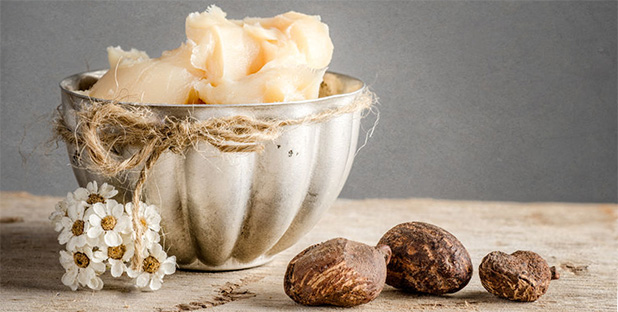
Shea Butter
|
|
Botanical Name: Butyrospermun
parkii
Aroma: Nutty, fatty.
Texture: Solid but permeable at room
temperature. Leaves an oily/waxy feeling on the skin.
Color: Off-white/cream.
Notes: Suitable for use in lotions
and creams.
|
|
Sunflower
|
|
Botanical Name: Helianthus
annuus
Aroma: Faint and sweet.
Texture: Thin and does not leave an
oily residue.
Color: Virtually clear with a tinge
of yellow.
Notes: When choosing sunflower oil,
strive to get unrefined oil.
|
Important Note: The information provided in the Oil Profiles area is for educational purposes only. This data is not considered complete
and is not guaranteed to be accurate.
General Safety Information: Do not take any oils internally
without consultation from a qualified aromatherapy practitioner. Do not apply
undiluted essential oils, absolutes, CO2s or other concentrated essences onto the skin. If you are pregnant, epileptic, have
liver damage, have cancer, or have any other medical problem, use oils
only under the proper guidance of a qualified aromatherapy practitioner. Use
extreme caution when using oils with children and give children only
the gentlest oils at extremely low doses. It is safest to consult a qualified
aromatherapy practitioner before using oils with children. A skin
patch test should be conducted prior to using an oil that you've never
used before. Instructions on conducting a skin patch test
and more safety information can be found by visiting the Safety
Information page. For very in-depth information on oil safety
issues, read Essential Oil Safety by Robert
Tisserand and Tony Balacs.
< Return to Essential Oil Profile Index
|
 |
 |
 |


|
 |