Essential Oils for the Holidays, Christmas and Winter
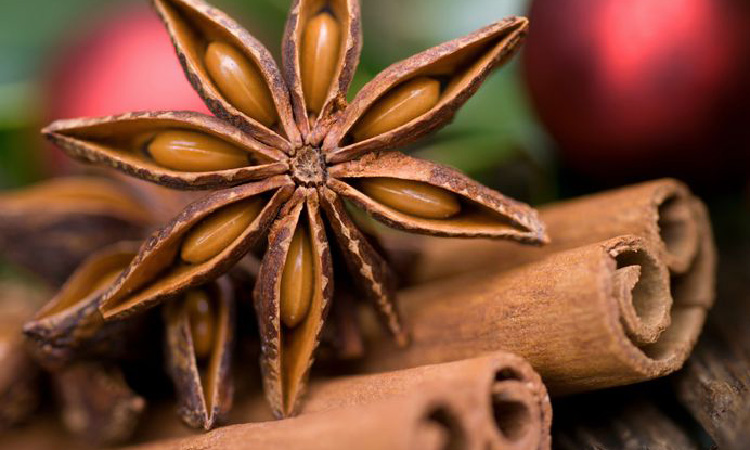
Winter is a perfect time to enjoy diffusing and blending essential oils that will help get us into the spirit of the season.
Below is a list of essential oils well suited for incorporation into your favorite holiday diffuser blends.
The oils included in this list were selected for their warming, spicy, resinous or woody aroma. This is a highly subjective list. You may want to skim through the list of 110 oils contained in AromaWeb's Essential Oil Profiles area for oils that you personally like for the season.
By their nature, spicy essential oils like Cinnamon, Clove Bud and Ginger are strong and quite warming. A little goes a long way with these oils. They shouldn't be heavily diffused into a room as they can irritate the mucous membranes. It's best to blend stronger spice oils into more gentle oils like Sweet Orange Essential Oil (see the Blending Spice Oils section below). It's also important not to diffuse any essential oils continuously. Essential oils are highly concentrated and can overburden our systems when diffused in excess.
Essential oils commonly associated with Christmas include coniferous oils like Fir Needle and Scotch Pine, minty oils like Peppermint and Spearmint, resinous oils like Frankincense and Myrrh, spicy oils like Cinnamon and Nutmeg and woody oils like Virginian Cedarwood.
Winter
Winter is often a source for an increase in colds and flus. Many essential oils are naturally anti-bacterial and anti-viral, so using essential oils to fragrance your holidays and cold witner days instead of synthetic room fragrances can potentially help to ward off the spread of colds and flus. The below list, however, was selected based solely on their appropriateness for winter celebrations. For more information and to view a list of essential oils with anti-bacterial, ant-viral and expectorant/decongestant properties, read Reducing the Risk of Contracting Flus and Colds With Aromatherapy.
Essential Oils for Christmas
Warming / Spicy / Resinous/Woody / Spiritual Essential Oils and Absolutes
- Allspice
- Anise
- Anise, Star
- Basil, Holy
- Balsam, Peru
- Bay
- Bay Laurel
- Black Pepper
- Cardamom
- Cassia
- Cedarwood, Atlas
- Cedarwood, Virginian
- Cinnamon
- Clove Bud
- Coffee
- Common Sage
- Cypress
- Dalmation Sage
- Dill
- Fennel
- Fir Needle
- Frankincense
- Galbanum
- Ginger
- Gurjum Balsam
- Immortelle
- Juniper Berry
- Marjoram
- Myrrh
- Nutmeg
- Olibanum
- Peppermint
- Pine, Scotch
- Sage, Common
- Sage, Dalmation
- Sage, Spanish
- Sandalwood
- Scotch Pine
- Spearmint
- Spikenard
- Spruce
- Star Anise
- Sweet Orange
- Thyme
- Vanilla
- Vetiver
Blending Spice and Mint Oils
Spice and Mint essential oils can be especially strong. When I create a seasonal essential oil diffuser blend that is intended to highlight a particular spice or mint oil, I either use the oil in very low quantity or include it in a blend at low proportion.
Citrus oils, especially Sweet Orange Essential Oil blend well with the spice oils. Some individuals like me also enjoy blending mints with the citrus and woody oils. Orange essential oil is especially abundant and is one of the most affordable of essential oils. It has few contraindications and most people love the aroma. During the chilly fall months, I love combining a few drops of ginger, cinnamon, clove, and/or patchouli with Sweet Orange, Mandarin or Tangerine. Working with other in the above list can lead to some lovely combinations.
A Warning About Applying Spice and Mint Oils to the Skin
My focus within this article is in selecting oils for diffusion. When creating blends and topical products that you apply to your skin, remember that many of the spice oils can cause skin irritation and should be used as incredibly low dilutions, if at all. For more information, read Essential Oils That May Cause Dermal Irritation and Skin Sensitization.
Holiday Recipes
- Christmas Tree Diffuser Blend
- Sugar and Spice Blend
- Frankincense and Myrrh Holiday Blend
- Scented Greeting Cards & Tissue Paper
General Safety Information
Do not take any oils internally and do not apply undiluted essential oils, absolutes, CO2s or other concentrated essences onto the skin without advanced essential oil knowledge or consultation from a qualified aromatherapy practitioner. For general dilution information, read AromaWeb's Guide to Diluting Essential Oils. If you are pregnant, epileptic, have liver damage, have cancer, or have any other medical problem, use oils only under the proper guidance of a qualified aromatherapy practitioner. Use extreme caution when using oils with children and be sure to first read the recommended dilution ratios for children. Consult a qualified aromatherapy practitioner before using oils with children, the elderly, if you have medical issues or are taking medications. Before using this or any essential oil, carefully read AromaWeb's Essential Oil Safety Information page. For in-depth information on oil safety issues, read Essential Oil Safety by Robert Tisserand and Rodney Young.
Shelf Life
Important Information About the Profiles
The essential oil information provided on AromaWeb is intended for basic educational purposes only. The references to safety information, test results, constituents and percentages is generalized information. Essential oils can vary greatly in composition. The data is not necessarily complete and is not guaranteed to be accurate. The essential oil photos are intended to represent the typical and approximate color of each essential oil. However, essential oil composition and color can vary based on harvesting, distillation, age of the essential oil and other factors. Profiles for several CO2 Extracts and absolutes are included within the directory, and are denoted as such.