
Aromatherapy Bath Bombs Recipe
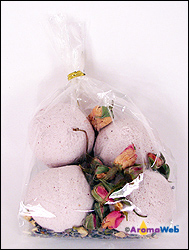
I love aromatherapy bath bombs. Dropped into the tub, they fizz and release their aromatic essential oils, soothing carrier oils and other skin-loving ingredients. They make bath time an even more special occasion to relax and cleanse. Children find aromatherapy bath bombs fascinating and fun to plunk into the tub. Adults love the aroma and visual appeal, and they make beautiful gifts.
Once you have made aromatherapy bath bombs a time or two using this recipe, you should find them quite easy to make.
By making aromatherapy bath bombs yourself, you'll know exactly what's in them. You'll know, for example, that they include essential oils instead of synthetically derived fragrance oils. Not all commercial or artisan-made bath bombs are all-natural, but you can make virtually all-natural bath bombs at home that fizz amazingly well. Making them yourself can also potentially save you at least half the price of what equivalent bath bombs cost from artisans and bath bomb specialty stores.
AromaWeb's Aromatherapy Bath Bomb Recipe, shown below, contains a few ingredients not yet described elsewhere on AromaWeb.
Citric Acid: Citric acid is naturally found in citrus and other fruits/vegetables. As its name implies, it is acidic. Citric acid acts as a natural preservative and natural antioxidant and is found in an array of skin care products.
Baking Soda: Baking soda is the common name for sodium bicarbonate or bicarbonate of soda. Sodium bicarbonate is a naturally forming salt, but is most commonly manufactured synthetically. Because it is a salt that exists in nature, it's often considered natural, regardless of manufacture, and is used in natural products. In personal care, baking soda is known for its deodorizing and cleansing properties. Baking soda is a alkali that reacts wonderfully with citric acid in bath bombs.
Solubilizer: I've been making bath salts, oils and bath bombs since I first became passionate about aromatherapy over two decades ago. Back then and until more recently, it wasn't common practice to use a solubilizer. However, a dilemma is that both carrier oils and essential oils do not stay mixed in water (much like oil and vinegar salad dressing needs to be shaken before each use). What care happen, therefore, is that the essential oils can separate from the water and have the potential to come into direct contact with your skin. This leads to the potential of skin irritation or sensitization. To minimize this risk, it is therefore necessary to use a solubilizer when creating bath salts, bath oils and bath bombs. Solubol or Polysorbate 20 are suitable for consideration.
AromaWeb's Bath Bomb Recipe also includes Lavender Essential Oil, carrier oils and hydrosol. Click on each of these links to know more about each of these ingredients.
Aromatherapy Bath Bomb Recipe Instructions
- 1 cup Baking Soda
- 1/2 cup Citric Acid
- 1/4 tsp. Finely Powdered Lavender (optional)
- 15 drops Lavender Essential Oil*
- 1/4 - 1/2 tsp. Carrier Oil, preferably use a more stable oil like Jojoba since this recipe contains no preservatives (optional)
Hydrosol or water (ideally in a spray bottle) - Hydrosol As Needed
- Solubilizer such as Polysorbate 20 or Solubol. (For the solubilizer that you choose, follow the usage guidelines provided by your supplier.)
Equipment:
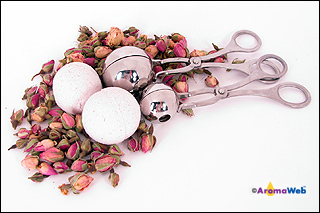
I use large and small melon ballers (see photo) to form my bath bombs, but you can also experiment with ice, soap and candy molds of various sizes and shapes.
Directions:
- In a large, clean mixing bowl, add your dry ingredients. If possible, use a sieve or sifter when adding your dry ingredients to the bowl to ensure they are free of clumps. Mix well.
- Follow the manufacturer's instructions to blend the solubilizer with the Lavender Essential Oil prior to incorporation into the recipe.
- Add your solubilized Lavender Essential Oil, drop by drop and stir into the dry ingredients. It is normal for the mixture to fix a little.
- Slowly add your carrier/vegetable oil while mixing the ingredients with your hand.
- Slowly add your hydrosol to the mixture while simultaneously blending it with your hands. Use a spray bottle to add the hydrosol or water to the mixture slowly, or add the liquid drop by drop if you do not have a spray bottle available.
- It does not take much liquid to dampen the mixture to the degree that you need to form bath bombs. The mixture should stick together when pressed firmly. Be careful not too moisten the mixture too much.
Forming Your Aromatherapy Bath Bombs
Press the mixture into molds, or use melon ballers to form your bath bombs. Set them onto wax paper to dry. Allow them to dry at least a day, depending on the time of year, temperature and humidity.
To Use
Drop a bath bomb into your bath for an aromatic and fizzy bath.
Storage
Keep your bath bombs in an air tight container or bag otherwise they won't fizz as well at bath time. Also keep your supply of citric acid in an air-tight container or it will lose its "fizzing" power.
Shelf Life
If you included carrier/vegetable oil in your bath bombs, they should hold up just fine for six months or so. If you did not use any oil, they will last a bit longer as long as they have been carefully stored away from air and humidity.
General Safety Information
These recipes are offered for educational purposes only. Before using any essential oil, carefully read AromaWeb's Essential Oil Safety Information page. For in-depth information on oil safety issues, read Essential Oil Safety by Robert Tisserand and Rodney Young. Do not take any oils internally and do not apply undiluted essential oils, absolutes, CO2s or other concentrated essences onto the skin without advanced essential oil knowledge or consultation from a qualified aromatherapy practitioner. For general dilution information, read AromaWeb's Guide to Diluting Essential Oils. If you are pregnant, epileptic, have liver damage, have cancer, or have any other medical problem, use oils only under the proper guidance of a qualified aromatherapy practitioner. Use extreme caution when using oils with children and consult a qualified aromatherapy practitioner before using oils with children, the elderly, if you have medical issues or are taking medications.
Do You Need the Ingredients Listed in This Recipe?
You can find the essential oils, other ingredients and packaging that you need by patronizing the fine companies that support AromaWeb with their banner advertising located throughout AromaWeb (See them all at a glance within the Advertiser Spotlight area) and the listings located within the Aromatherapy Business Directory. Many of AromaWeb's advertisers also expertly formulate their own ready-made products if you decide you'd rather not make aromatherapy products yourself.
Do You Want More Essential Oil Recipes and Blends?
Over 800 Recipes!
The Complete Book Of Essential Oils & Aromatherapy
Author: Valerie Ann Worwood
Over 100 Recipes!
The Heart of Aromatherapy
Author: Andrea Butje
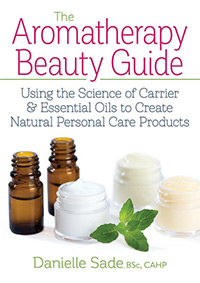
100 Recipes!
The Aromatherapy Beauty Guide
Using the Science of Carrier & Essential Oils to Create Natural Personal Care Products
Author: Danielle Sade, BSc, CAHP
Visit AromaWeb's Books area to find details about many other essential oil and aromatherapy books.