The 30 Most Affordable Essential Oils for Aromatherapy

Introduction: Why Essential Oil Prices Vary
Essential oil prices can vary widely, often leading newcomers and even long-time aromatherapy practitioners to wonder which essential oils are generally the most affordable and why essential oil pricing can vary so widely.
While some essential oils are naturally costly due to low yield, slow-growing botanicals or labor-intensive distillation methods, others tend to remain more budget-friendly because they are produced in larger volumes, sourced from widely cultivated plants or yield more oil during distillation.
For more information, read AromaWeb's Guide to Essential Oil Costs and Pricing.
About This Guide to the Most Affordable Essential Oils
This guide highlights 30 essential oils that are typically the most affordable, based on long-standing market patterns rather than sales or other short-term pricing trends.
The listed essential oils are commonly used in aromatherapy, personal care formulation and everyday wellness applications and are widely available from reputable suppliers.
Understanding why certain essential oils are more economical can help you make informed purchasing decisions while still prioritizing quality, authenticity and safe use.
What Makes an Essential Oil More Affordable to Produce?
As touched on above, affordability is influenced by factors such as the abundance of the botanical material, ease of cultivation, geographic availability and the amount of essential oil yielded during distillation.
Citrus oils, for example, are often more affordable because they are cold-pressed from peels that are readily available as a byproduct of the food industry, while many herbaceous oils come from plants that grow quickly and abundantly under common agricultural conditions.
Affordability Does Not Necessarily Mean Lower Quality
Price differences among essential oils reflect factors such as yield and availability, not differences in effectiveness or quality.
Many widely used essential oils remain more affordable than others because they are well-established, efficiently produced and consistently available, not because they lack value or therapeutic relevance.
For example, Lavender Essential Oil is typically more affordable than Neroli, Roman Chamomile and many other floral essential oils because lavender is widely cultivated across multiple regions and produces a relatively high yield during distillation. Its accessibility and efficient production help keep prices moderate, even though lavender remains one of the most versatile and well-regarded essential oils in aromatherapy.
When sourced responsibly and used appropriately, essential oils that tend to be among the most affordable can play a meaningful role in your wellness ritual or aromatherapy practice.
However, it is important to ensure that you purchase your essential oils from well-respected, trusted essential oil suppliers.
Important Pricing Notes
Essential oil prices can vary by supplier, region, harvest conditions and bottle size.
Affordability should never be used as a substitute for responsible sourcing, safety knowledge or informed use.
For more information, explore AromaWeb's 24 Important Tips to Keep in Mind When Shopping for Essential Oils. This free guide provides important tips on what to look for and what to beware of when selecting suppliers and purchasing essential oils.
While you're at it, read AromaWeb's guide that teaches you How to Avoid Adulterated and Poor-Quality Essential Oils. This ultimate guide will teach you steps that you can take to minimize the risk of purchasing adulterated essential oils.
Essential Oil Safety
As you explore the 30 essential oils listed below, remember that safe essential oil usage is key. Be sure to review the safety guidelines for each oil to enhance your knowledge and experience.
List of the Top 30 Essential Oils That Are Typically the Most Affordable
Below, you will find the curated list of essential oils that are typically among the most affordable, based on10ml retail sizes typically sold to consumers.
Price ranges are not listed since pricing can fluctuate.
The essential oils are listed in alphabetical order since it's impossible to accurately rank the essential oils based on exact pricing.

1. Amyris Essential Oil
Botanical Name: Amyris balsamifera
Aromatic Classification: Wood
Perfumery Note: Base
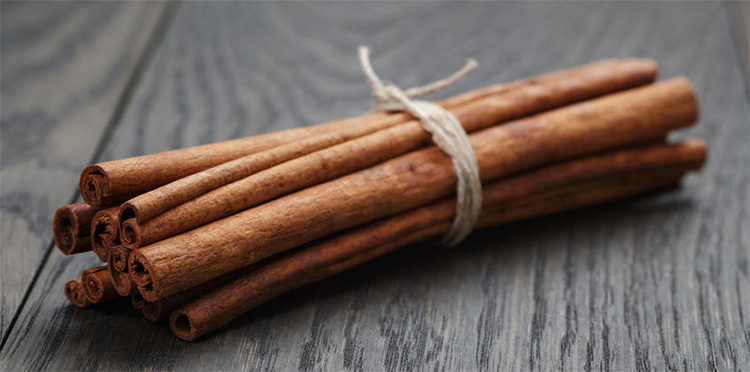
2. Cassia Essential Oil
Botanical Name: Cinnamomum cassia
Aromatic Classification: Bark
Perfumery Note: Middle

3. Atlas Cedarwood Essential Oil
Botanical Name: Cedrus atlantica
Aromatic Classification: Conifer/Wood
Perfumery Note: Base
Atlas Cedarwood is endangered.

4. Citronella Essential Oil
Botanical Name: Cymbopogon nardus / Cymbopogon winterianus
Aromatic Classification: Grass
Perfumery Note: Top

5. Clove Bud Essential Oil
Botanical Name: Syzygium aromaticum / Eugenia caryophyllata
Aromatic Classification: Buds
Perfumery Note: Middle

6. Copaiba Balsam Essential Oil
Botanical Name: Copaifera officinalis
Aromatic Classification: Gum/Resin
Perfumery Note: Base
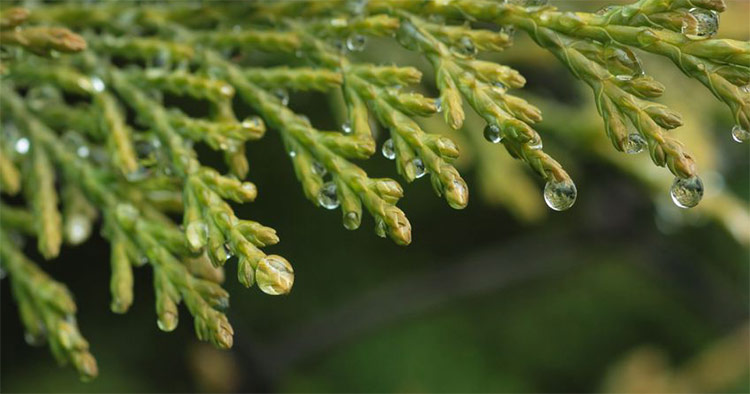
7. Cypress Essential Oil
Botanical Name: Cupressus sempervirens
Aromatic Classification: Needles
Perfumery Note: Middle
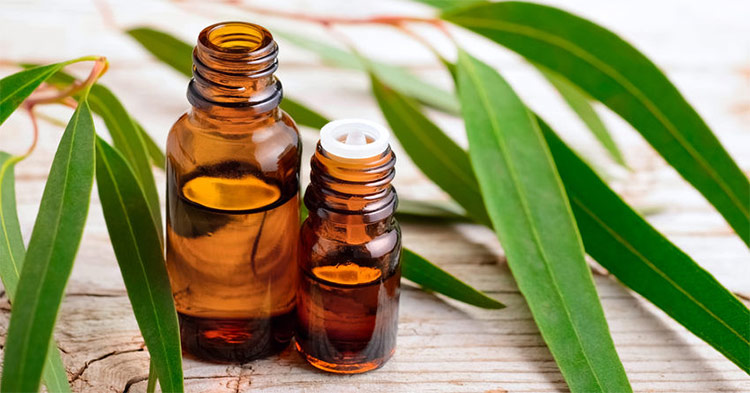
8. Eucalyptus Globulus Essential Oil
Botanical Name: Eucalyptus globulus
Aromatic Classification: Cineolic
Perfumery Note: Top - Middle
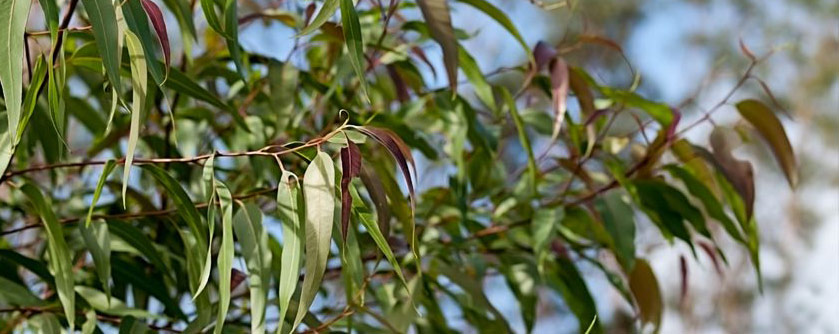
9. Lemon Eucalyptus Essential Oil
Botanical Name: Corymbia citriodora / Eucalyptus citriodora
Aromatic Classification: Leaves
Perfumery Note: Top - Middle

10. Fir (Balsam or Siberian) Essential Oil
Botanical Name: Abies balsamea or Abies Siberica
Aromatic Classification: Needles and Twigs
Perfumery Note: Top

11. Grapefruit Essential Oil
Botanical Name: Citrus paradisi
Aromatic Classification: Citrus Rind (Peel)
Perfumery Note: Top
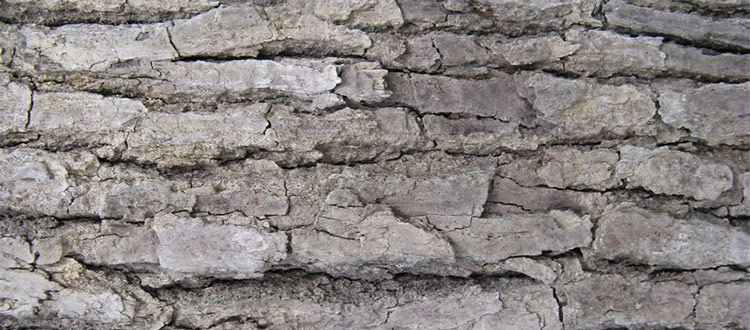
12. Ho Wood Essential Oil
Botanical Name: Cinnamomum camphora var linalool
Aromatic Classification: Wood, Bark, Twigs and Sometimes Leaves
Perfumery Note: Middle
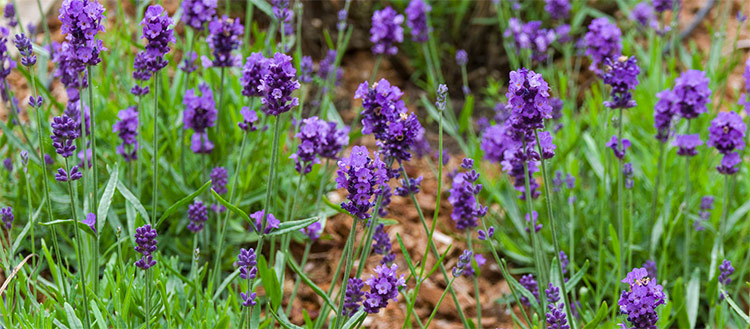
13. Lavandin Essential Oil
Botanical Name: Lavandula abrialis / Lavandin Abrialis, Lavandula intermedia or Lavandula hybrida
Aromatic Classification: Leaves and Flowers/Buds
Perfumery Note: Top - Middle
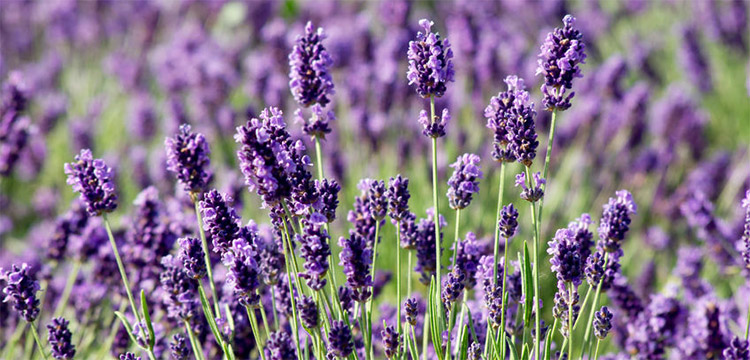
14. Lavender Essential Oil
Botanical Name: Lavandula angustifolia / Lavandula officinalis
Aromatic Classification: Floral
Perfumery Note: Top/Middle
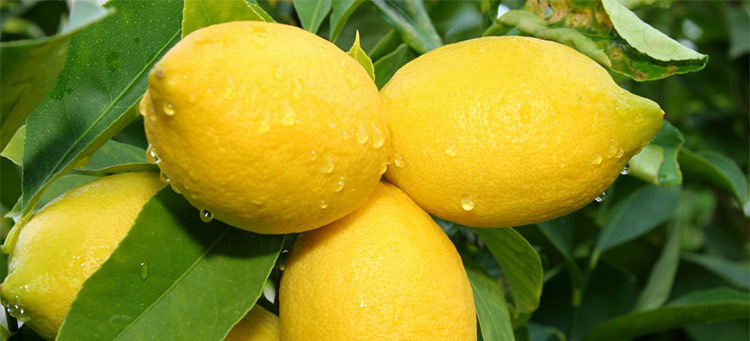
15. Lemon Essential Oil
Botanical Name: Citrus limon
Aromatic Classification: Citrus
Perfumery Note: Top

16. Lemongrass Essential Oil
Botanical Name: Cymbopogon citratus / Cymbopogon flexuosus
Aromatic Classification: Grass
Perfumery Note: Top
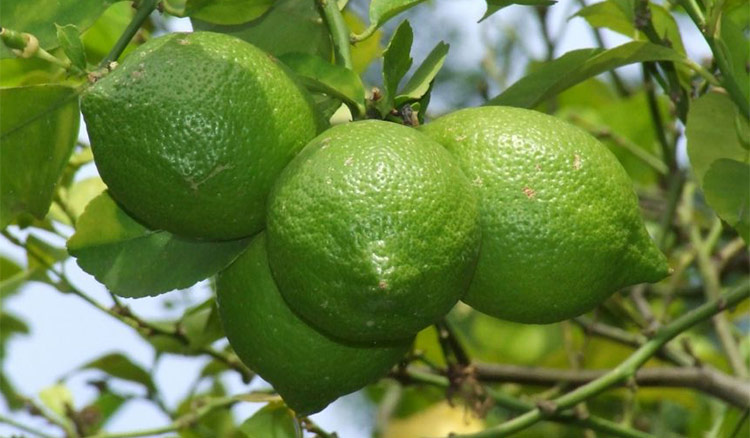
17. Lime Essential Oil
Botanical Name: Citrus aurantifolia
Aromatic Classification: Citrus Rind (Peel)
Perfumery Note: Top
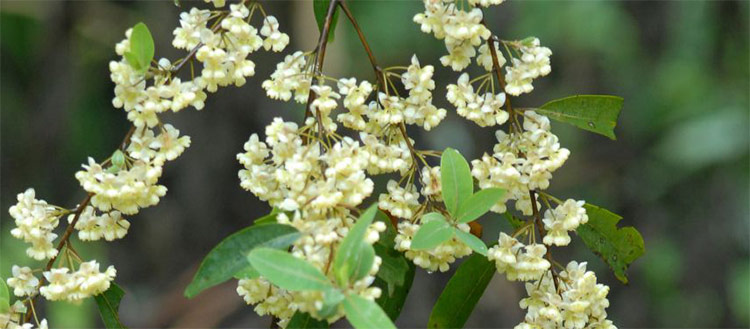
18. May Chang (Litsea) Essential Oil
Botanical Name: Litsea cubeba
Aromatic Classification: Fruit
Perfumery Note: Middle
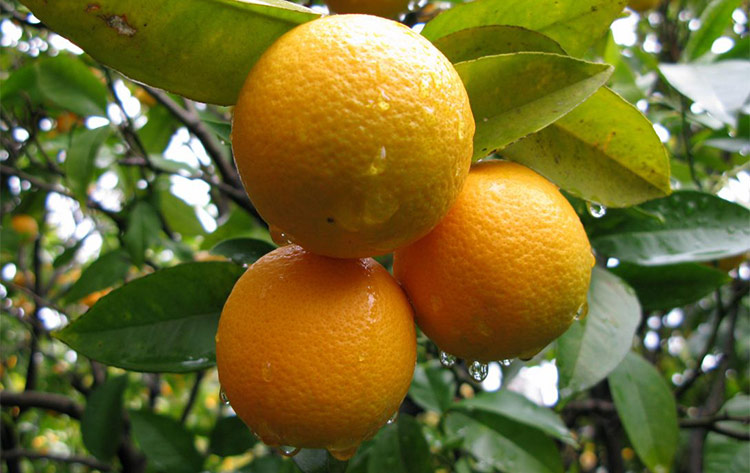
19. Orange (Sweet) Essential Oil
Botanical Name: Citrus sinensis
Aromatic Classification: Citrus
Perfumery Note: Top
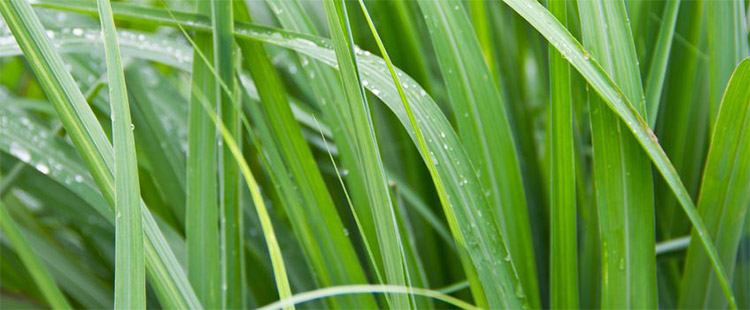
20. Palmarosa
Botanical Name: Cymbopogon martinii
Aromatic Classification: Grasss
Perfumery Note: Middle
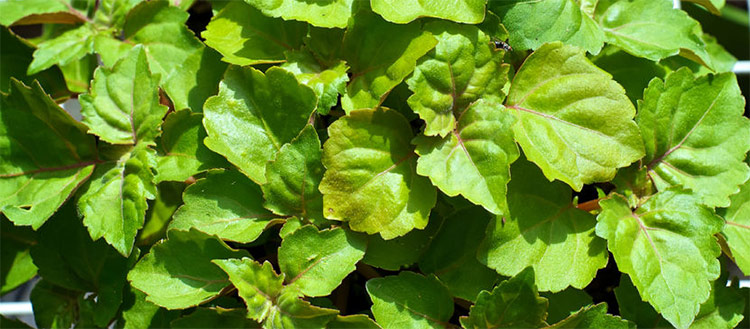
21. Patchouli Essential Oil
Botanical Name: Pogostemon cablin
Aromatic Classification: Earthy
Perfumery Note: Base
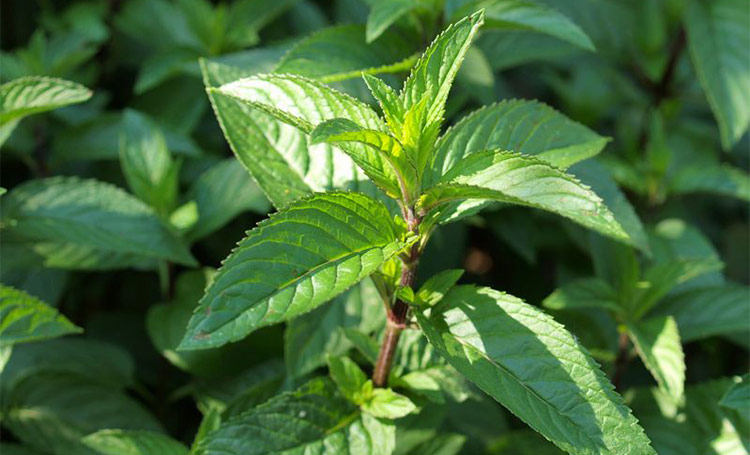
22. Peppermint Essential Oil
Botanical Name: Mentha piperita
Aromatic Classification: Minty
Perfumery Note: Top
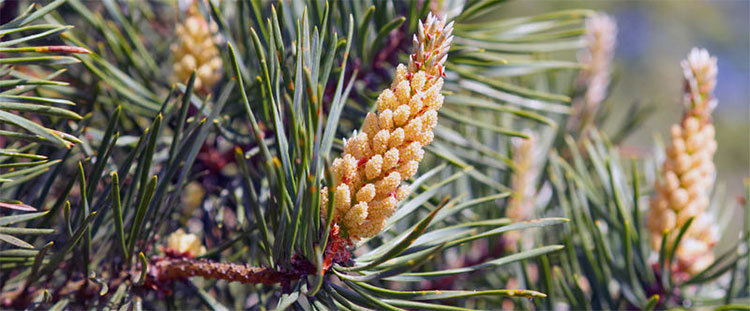
23. Scotch Pine Essential Oil
Botanical Name: Pinus sylvestris
Aromatic Classification: Needles
Perfumery Note: Top
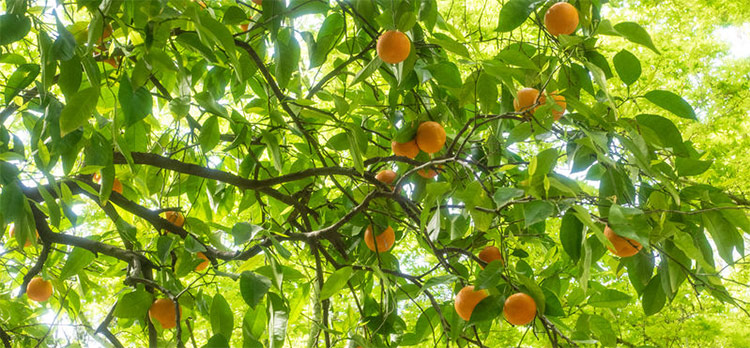
24. Petitgrain Bigarade Essential Oil
Botanical Name: Citrus aurantium var amara
Aromatic Classification: Leaves and Twigs
Perfumery Note: Top
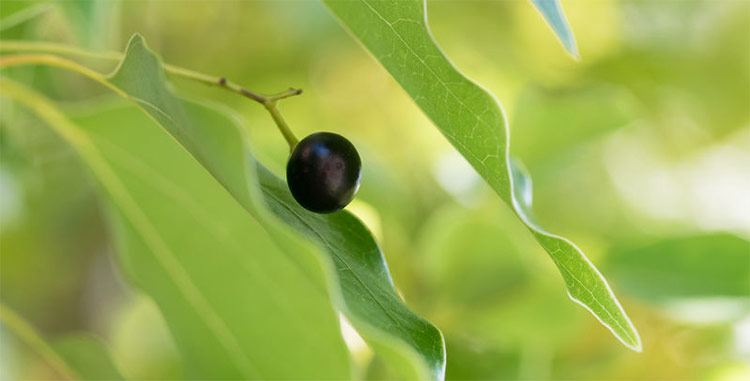
25. Ravintsara Essential Oil
Botanical Name: Camphora officinarum / Cinnamomum camphora
Aromatic Classification: Leaves
Perfumery Note: Top

26. Rosemary Essential Oil (ct Cineole)
Botanical Name: Salvia rosmarinus / Rosmarinus officinalis
Aromatic Classification: Camphorous / Cineolic
Perfumery Note: Middle
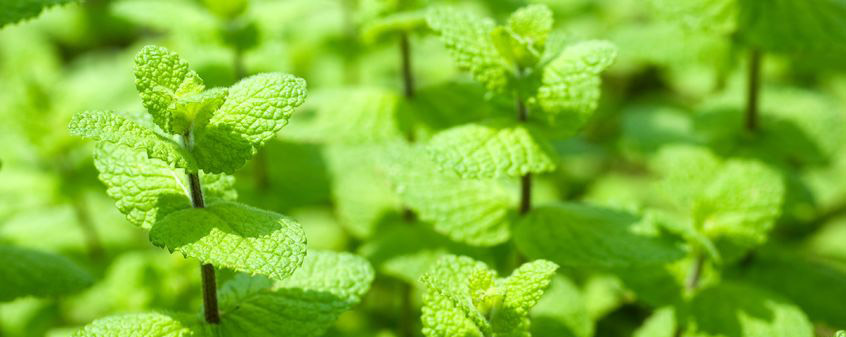
27. Spearmint Essential Oil
Botanical Name: Mentha spicata
Aromatic Classification: Leaves and Flowers/Buds
Perfumery Note: Top - Middle
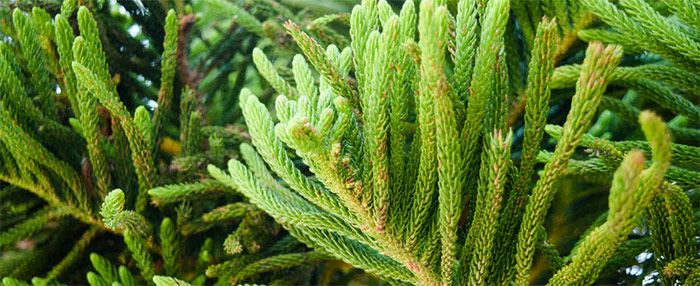
28. Black Spruce Essential Oil
Botanical Name: Picea mariana
Aromatic Classification: Needles and Twigs
Perfumery Note: Top

29. Tangerine Essential Oil
Botanical Name: Citrus reticulata
Aromatic Classification: Citrus
Perfumery Note: Top
Mandarin Essential Oil shares similarities to Tangerine Essential Oil and can sometimes also be priced similarly.
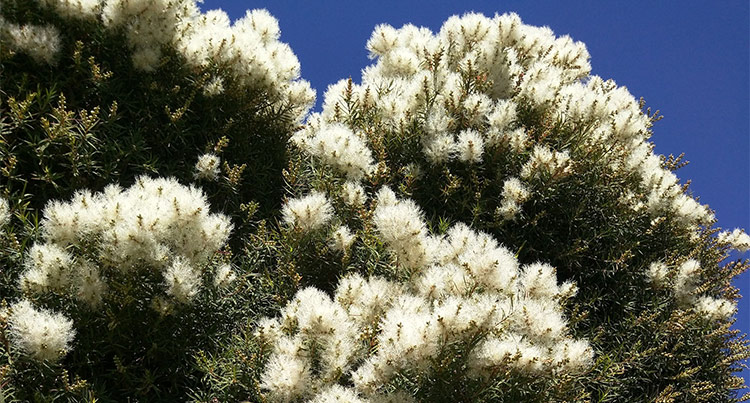
30. Tea Tree Essential Oil
Botanical Name: Melaleuca alternifolia
Aromatic Classification: Leaves
Perfumery Note: Middle
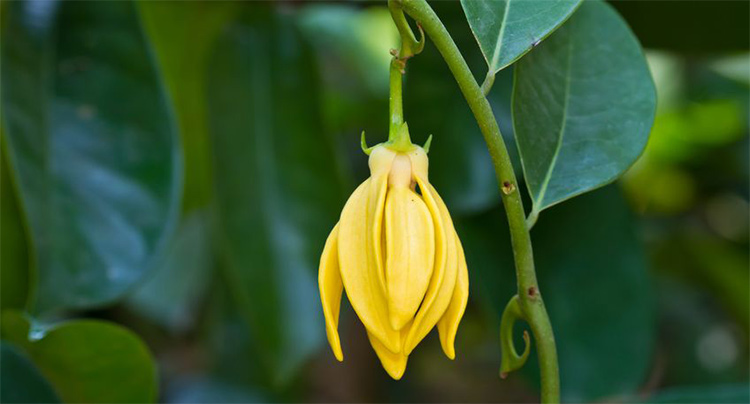
31. Ylang Ylang Essential Oil
Botanical Name: Cananga odorata var genuina
Aromatic Classification: Floral
Perfumery Note: Middle/Base
Floral essential oils and absolutes such as Rose, Jasmine, Neroli, Lotus, Baronia, Tuberose and Magnolia tend to be costly. Ylang Ylang is one of the more inexpensive floral essential oils, so I have added it here.
View Over 100 More Essential Oil Profiles
Aromatherapy Blending Guide:
- Part 1: Introduction to Blending Essential Oils
- Part 2: Aromatic Blending of Essential Oils
- Part 3: Formulating Masculine/Earthy Aromatherapy Blends
- Part 4: Therapeutic Blending of Essential Oils
- Part 5: Working With and Blending Thick Aromatic Oils
- Part 6: How to Substitute Essential Oils in Aromatherapy Recipes and Blends
- Part 7: Safely Diluted Essential Oil Blends May Seem Weak At First
- Part 8: Guide to Evaluating the Aroma of an Essential Oil
See Also:
- Essential Oil Top Notes
- Essential Oil Middle Notes
- Essential Oil Base Notes
- Essential Oil Aromatic Classifications
- Why Fragrance Test Strips Are a Must When Working With Essential Oils
- Top 25 Best Smelling Essential Oils
- The Best Carrier Oils to Use for Aromatic Blending (You Are On This Page Now)
General Safety Information
Do not take any oils internally and do not apply undiluted essential oils, absolutes, CO2s or other concentrated essences onto the skin without advanced essential oil knowledge or consultation from a qualified aromatherapy practitioner. For general dilution information, read AromaWeb's Guide to Diluting Essential Oils. If you are pregnant, epileptic, have liver damage, have cancer, or have any other medical problem, use oils only under the proper guidance of a qualified aromatherapy practitioner. Use extreme caution when using oils with children and be sure to first read the recommended dilution ratios for children. Consult a qualified aromatherapy practitioner before using oils with children, the elderly, if you have medical issues or are taking medications. Before using this or any essential oil, carefully read AromaWeb's Essential Oil Safety Information page. For in-depth information on oil safety issues, read Essential Oil Safety by Robert Tisserand and Rodney Young.
Shelf Life
Important Information About the Profiles
The essential oil information provided on AromaWeb is intended for basic educational purposes only. The references to safety information, test results, constituents and percentages is generalized information. Essential oils can vary greatly in composition. The data is not necessarily complete and is not guaranteed to be accurate. The essential oil photos are intended to represent the typical and approximate color of each essential oil. However, essential oil composition and color can vary based on harvesting, distillation, age of the essential oil and other factors. Profiles for several CO2 Extracts and absolutes are included within the directory, and are denoted as such.